Wicker Park Historic Condos: A Guide to Building Types
If you are drawn to Wicker Park condos, chances are you are not just shopping for square footage. You are looking for details that newer buildings often cannot fake, like brick facades, bay windows, stair halls, and the kind of streetscape that feels rooted in Chicago history. This guide will help you understand how historic architecture shapes condo living in Wicker Park, what building types you are likely to see, and what practical ownership questions matter most before you buy. Let’s dive in.
Wicker Park is a designated Chicago Landmark district, and that status helps explain why the neighborhood feels so visually layered. According to the City of Chicago, the district was designated in 1991, and many of its buildings date from about 1870 to 1930.
That time span matters because it covers a major stretch of Chicago's post-Fire growth. The area developed with a mix of late-19th- and early-20th-century styles, materials, and residential forms, which is why walking through Wicker Park can feel architecturally rich even block by block.
The neighborhood's built environment also reflects long cycles of change. City sources note early German and Scandinavian residents, followed later by Polish immigrants, along with later reinvestment that reshaped how many buildings were used and updated over time.
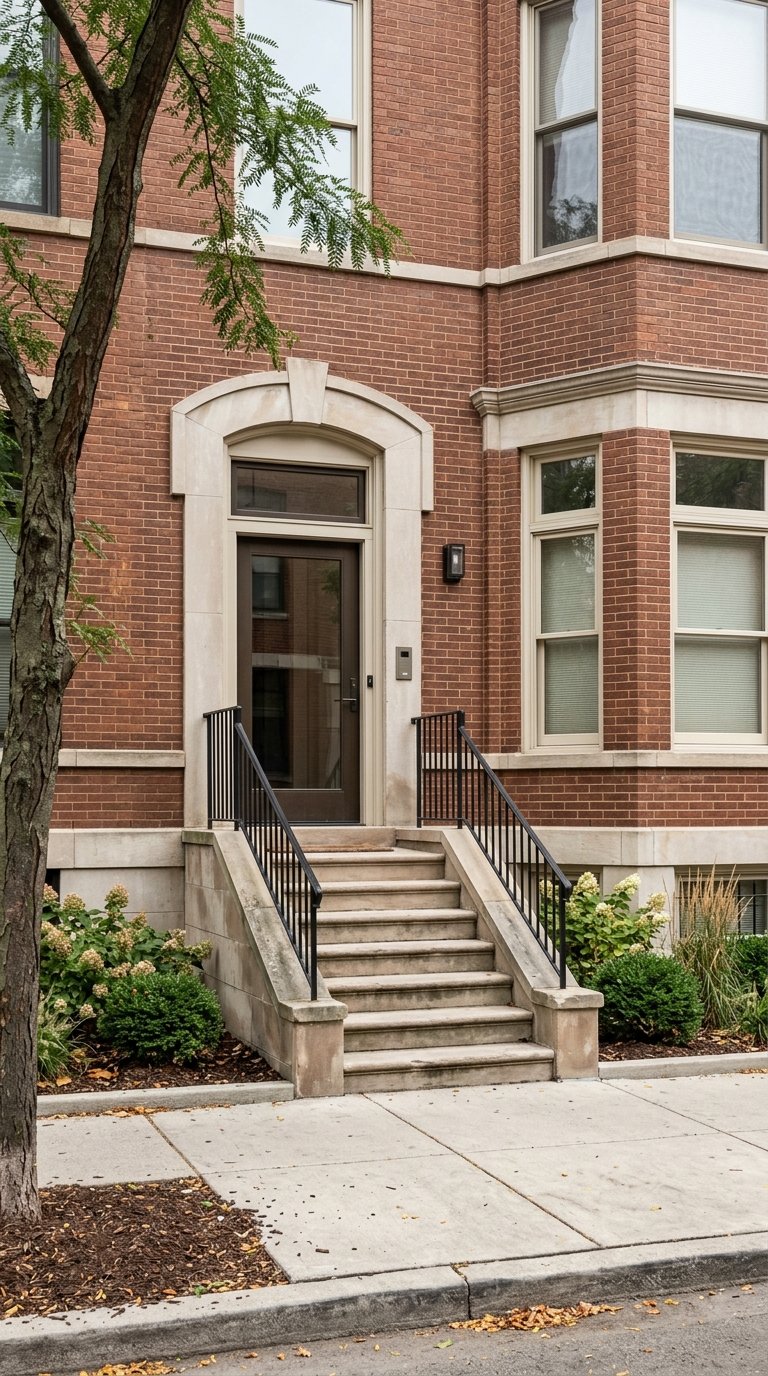
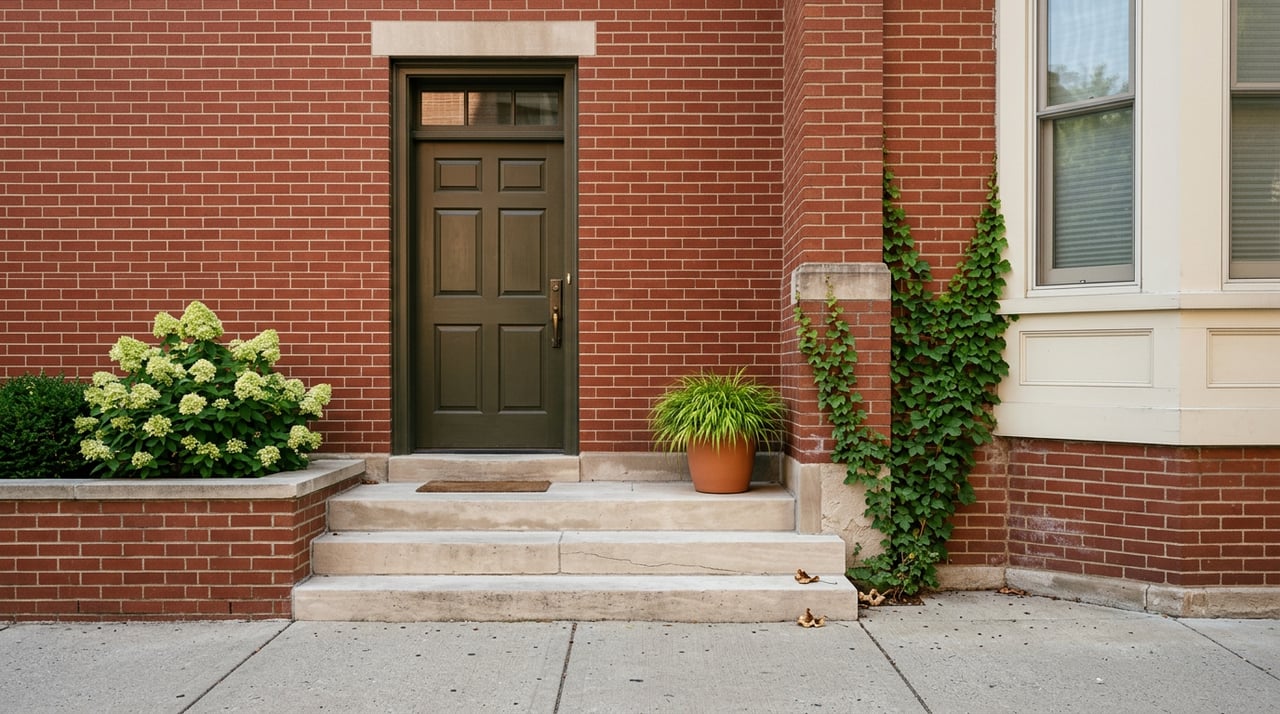
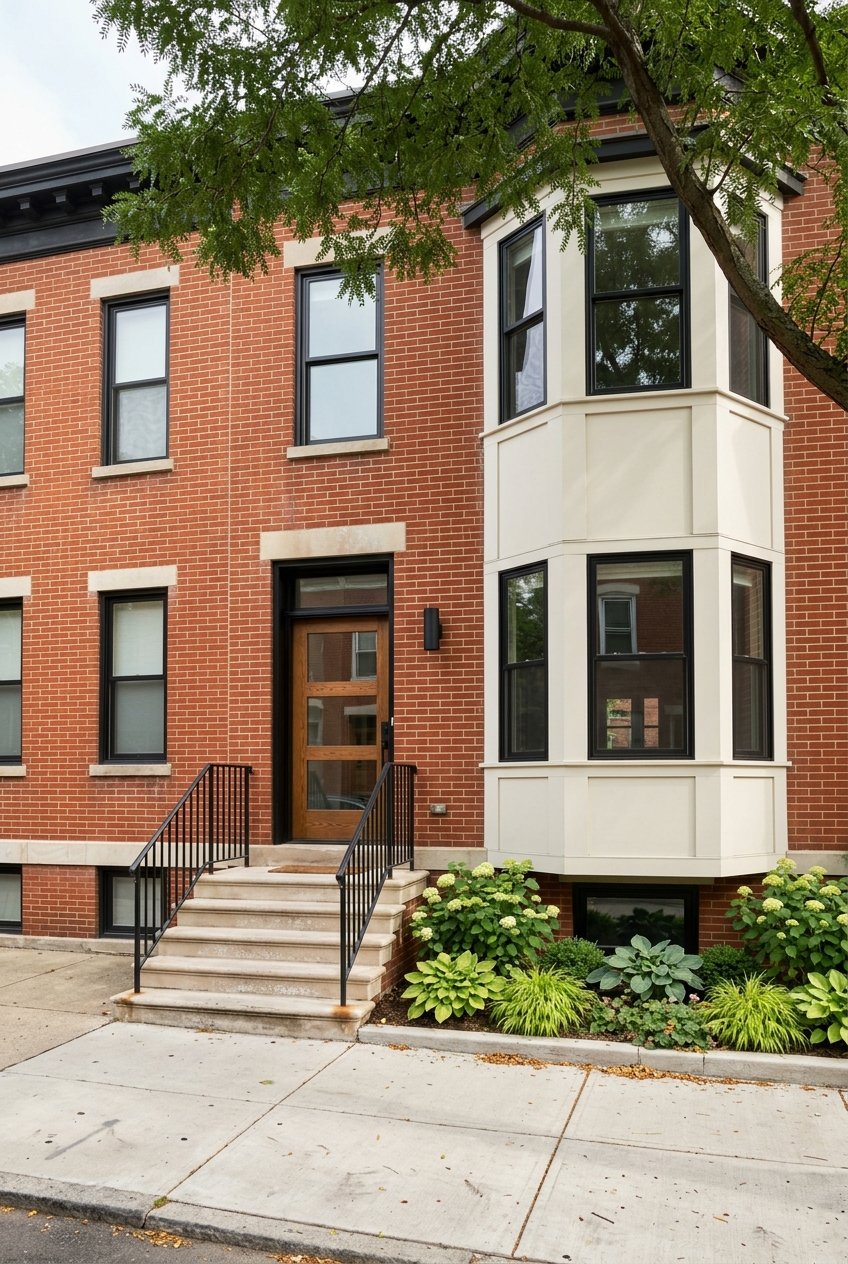
In Wicker Park, historic architecture is not just about age. It shows up in visible features like masonry exteriors, stone trim, bay windows, stoops, and the street-facing rhythm of older residential buildings.
Certain streets are especially tied to the neighborhood's historic identity. City landmarks materials highlight Pierce and Hoyne for major Victorian-era houses, and Hoyne became known as Beer Baron Row.
For condo buyers, that character often translates into homes with stronger visual identity and a more established street presence. It can also mean floor plans and building layouts that feel different from a newer, purpose-built condo tower.
When many buyers picture a classic Chicago condo in Wicker Park, they are often thinking of a two-flat or three-flat. The Chicago Architecture Center says these buildings make up about a quarter of the city's housing, and many were built between 1900 and 1920.
These buildings typically feature one apartment per floor, along with bay windows and brick or greystone facades. In condo form, they often offer a more intimate ownership experience because there are fewer units and a smaller shared footprint.
Vintage walk-up is best understood as a practical description rather than one strict architectural style. In everyday terms, it usually refers to older stair-access buildings with fewer floors, masonry construction, and a smaller-scale feel than a newer elevator building.
For many buyers, that translates into charm and texture. You may find original proportions, older stair halls, and a more residential atmosphere, but you may also see less uniformity from unit to unit.
Wicker Park's housing stock includes many buildings that changed over time. Historical sources note that many houses were later divided into multifamily units and rooming houses, which helps explain why today's condo inventory can feel layered and highly individual.
That reuse is part of the appeal. A condo in a converted building may preserve older architectural features while reflecting later renovations, updated systems, or reconfigured layouts.
Converted lofts are different from traditional residential walk-ups. In Chicago, the term usually refers to former industrial or commercial buildings that were adapted for housing.
For buyers, loft living often signals open floor plans, greater ceiling volume, and exposed structural elements. That gives a very different feel from a classic two-flat condo, which is usually more room-defined and rooted in Chicago's older residential pattern.
Historic condo living in Wicker Park often comes down to a balance of design and lifestyle. Older buildings can offer a strong sense of place that many buyers value, especially if you want a home that feels tied to the neighborhood rather than interchangeable with any other market.
That appeal can show up in several ways:
For design-conscious buyers, that mix can be especially compelling. It is one reason vintage condos and well-executed conversions often stand out in Wicker Park.
Buying a condo in an older Wicker Park building is not just about the unit itself. Under the Illinois Condominium Property Act, you own your unit plus a percentage interest in the building's common elements, and those common elements remain undivided.
In practical terms, that means your ownership experience is tied to the building's shared systems, maintenance choices, and long-term planning. In an older or converted property, those issues can matter just as much as finishes inside the home.
Illinois law also requires condo boards to prepare annual budgets and provide reasonable reserves for capital expenditures and deferred maintenance. That includes consideration of structural and mechanical components, building surfaces, and energy systems or equipment.
Associations can waive reserves only by a two-thirds vote, and that waiver must be disclosed to prospective buyers. For anyone considering a historic condo, this is a major due diligence point.
A beautiful vintage facade does not tell you whether a building is financially prepared for future work. Reserve funding helps support larger shared expenses over time, which may include items tied to roofs, masonry, windows, building systems, and other capital needs.
This is especially important in smaller condo buildings, where fewer owners share the cost of major work. A building may have charm and solid upkeep today, but you still want to understand how the association plans ahead.
On resale, Illinois law requires sellers to provide key condo documents. These include the declaration, bylaws, rules and regulations, lien and assessment information, anticipated capital expenditures for the next two fiscal years, reserve fund status, and the latest financial statement.
That document package can tell you a lot. It helps you look beyond finishes and understand whether the building is being managed with a realistic plan.
Because Wicker Park is a Chicago Landmark district, exterior work may involve more review than it would in a non-landmarked area. The City's Landmarks office reviews permit applications for alterations, demolition, or new construction affecting landmarks and properties in landmark districts.
For district properties, the significant features are typically the exterior elevations visible from the public right-of-way. That means items such as window changes, masonry repairs, facade alterations, and stoops may receive added scrutiny.
For condo owners, this does not automatically mean projects are impossible. It does mean exterior updates may involve more process, more coordination, and closer attention to what is visible from the street.
If you are looking at a condo in a converted apartment building, there is another layer to understand. Illinois law requires notice to tenants before a conversion condominium is recorded, and it allows the municipality to inspect the apartment building and require compliance with current life-safety, building, and zoning codes.
That helps explain why converted buildings can feel more idiosyncratic than purpose-built condos. The building shell may be much older, while the legal, code, and renovation history reflects multiple phases of change.
This is not necessarily a negative. In fact, many buyers love the individuality of converted homes, but it does make careful review more important.
Historic architecture can be a major asset, but you want to pair that charm with clear information. In Wicker Park, some of the most useful buyer questions are simple and practical.
Ask about these points early:
These questions can help you compare properties more clearly. They also give you a better sense of how the building's character and ownership responsibilities fit your goals.
The right Wicker Park condo is not always the one with the most dramatic original detail. It is the one where architecture, building condition, and association planning line up with how you want to live.
A classic two-flat condo may offer intimacy and neighborhood texture. A vintage walk-up may give you a strong sense of Chicago character. A converted loft may deliver openness and volume that feel more contemporary, even in a historic shell.
Each option comes with tradeoffs, and that is where local guidance matters. If you understand the building type, the landmark context, and the condo structure, you can make a more confident decision.
Wicker Park's historic architecture is a big part of what makes condo living here so compelling. If you want help comparing vintage walk-ups, loft conversions, or classic flat buildings in the neighborhood, Dwell Wisely Group can help you evaluate both the design details and the practical ownership picture.

Whether working with buyers or sellers, Dwell Wisely Group provides outstanding professionalism into making their client’s real estate dreams a reality. Contact the Dwell Wisely Group today for a free consultation for buying, selling, renting, or investing in Chicago.
Get in touch with our team to learn more.

1875 N DAMEN AVE CHICAGO IL 60647