How Logan Square Restaurants and Parks Support Condo Life
Looking for a Chicago neighborhood where your daily routine can include a park loop, great coffee, easy transit, and a condo that actually fits the way you live? Logan Square stands out because those pieces tend to work together here, not compete with each other. If you are weighing condo living in this part of the city, it helps to understand how the parks, dining scene, housing stock, and transit access connect. Let’s dive in.
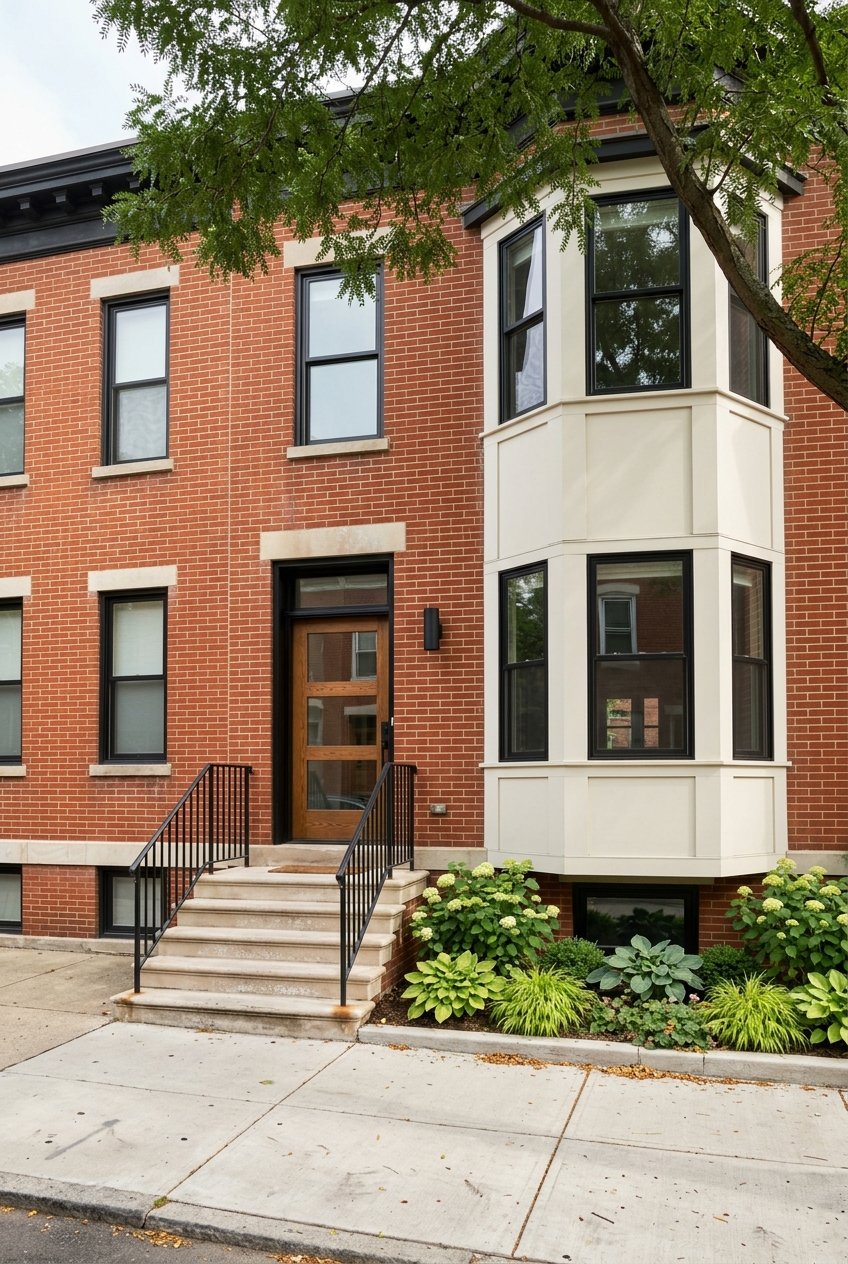
Logan Square is shaped by historic boulevards, compact blocks, and a housing pattern that supports everyday walkability. The Logan Square Boulevards District is centered on Logan and Palmer Squares and includes Logan, Kedzie, Palmer, and Humboldt Boulevards. It is a designated Chicago Landmark with late 19th and early 20th century residential and commercial architecture.
That setting gives the neighborhood a distinct feel. Logan Boulevard runs through the heart of the area and is known for its collection of graystone and limestone homes, with the Illinois Centennial Monument as a visual anchor. For condo buyers, that often translates into a streetscape that feels established, urban, and easy to enjoy on foot.
In Logan Square, parks are not just nice extras. They are part of how many residents move through the neighborhood every day.
Logan Square proper sits at Milwaukee, Kedzie, Wrightwood, and Logan Boulevard, with the Illinois Centennial Monument at the center. CTA identifies it as a public green space, and Blue Line riders can exit at Logan Square to reach it easily.
If you picture quick dog walks, a short outdoor break, or meeting a friend before heading to dinner, this central green space helps explain the neighborhood’s appeal. It creates a sense of openness in a dense urban setting.
Palmer Square Park adds another layer to the neighborhood routine. The Chicago Park District lists it as a 7.69-acre neighborhood park with a running track, walking path, playground, and a long history within Chicago’s boulevard system.
For condo buyers, this matters because nearby green space can make a smaller footprint feel more flexible. If your home is efficient by design, having an easy place to walk, run, or spend time outside becomes part of the value.
The 606 is one of Logan Square’s biggest lifestyle advantages. The trail runs for 2.7 miles and includes 12 access points and 17 ramps, making it a practical option for walkers, runners, and cyclists.
CTA and the Chicago Park District note that it is easiest to reach from the Blue Line at Western or Damen, and that riders can also get off at Logan Square and walk south on Kedzie to access The 606. If you want trail access built into your week without needing to drive anywhere, this is a meaningful feature.
Park No. 556 on Logan Boulevard is home to the Logan Square Dog Park. That may sound like a small detail, but for buyers with pets, it can be a major quality-of-life factor.
In a condo search, pet routines often shape what “works” just as much as square footage does. In Logan Square, nearby green space and a dedicated dog park can make condo living feel more practical.
Logan Square is widely recognized for its food scene, and that adds real value to condo life. Choose Chicago describes the neighborhood as a thriving, multicultural community with arts organizations, music venues, locally owned shops, and cocktail bars. Eater also identifies it as one of Chicago’s strongest dining neighborhoods.
That reputation is not based on one type of place. Choose Chicago highlights a mix that includes Michelin-rated restaurants, pizza spots, noodle shops, coffee houses, and fusion concepts. Current examples include Lula Cafe, Parsons Chicken and Fish, Daisies, Andros Taverna, Table, Donkey and Stick, Bixi Beer, Giant, Friendship Chinese, and Jibaritos y Mas.
For buyers, the takeaway is simple. Logan Square offers the kind of dining density that can make your neighborhood feel active and convenient without needing a packed schedule or a long trip across town.
The Logan Square Farmers Market is a major weekend anchor. The market lists its 2026 outdoor season on Sundays from 8:30 a.m. to 3 p.m., beginning May 10, 2026, at 2620 N. Milwaukee Ave., and Choose Chicago notes that it runs Sundays from May through October.
That helps create a routine many buyers are looking for. You can picture coffee in the morning, a market stop, a walk through the park, and dinner later on Milwaukee Avenue or a nearby side street. That pattern is part of what makes condo living here feel connected to the neighborhood rather than limited by unit size.
If you are searching for a condo in Logan Square, the housing mix gives useful clues about what is most common. CMAP data from 2020 to 2024 show that 43.7 percent of housing units are in 2-to-4-unit buildings and 31.0 percent are in 5-to-49-unit buildings.
That means much of the neighborhood housing stock is in the smaller multifamily category. In practical terms, Logan Square is more likely to feel like a vintage walk-up and condo-conversion market than a high-rise market. You may also find newer mid-rise buildings and larger apartment properties, but large towers are not the dominant pattern.
The same CMAP snapshot shows that 24.5 percent of units have 0 or 1 bedroom, while 39.9 percent have 2 bedrooms. Households also skew small, with 36.1 percent made up of one person and 36.6 percent made up of two people.
That matters because it lines up with how many condo buyers actually live. If you are a solo buyer, a couple, or someone who values efficiency and location over extra unused space, Logan Square’s housing mix may feel like a natural fit.
CMAP also reports that 58.9 percent of Logan Square housing was built before 1940. For buyers, that often means older buildings with character, established streetscapes, and layouts that can vary more than what you would find in newer construction.
This is one reason local guidance matters in a Logan Square condo search. Building type, updates, and block-by-block feel can shape value in a meaningful way.
Logan Square is popular, and the numbers reflect that. CMAP’s 2022 housing profile lists the median residential sale price at $560,000 and the median recent homebuyer purchase price at $585,000.
Both figures are above the city medians in the same dataset. The same profile reports a 2023 median gross rent of $1,814, also above the city median.
For buyers, this tells you Logan Square is not an under-the-radar market. It is a neighborhood where lifestyle, transit access, and housing character continue to support demand.
Transit is one of the reasons Logan Square works so well for condo living. The Logan Square Blue Line station is an accessible subway station with indoor and sheltered bike parking, bus connections to the #56, #76, and #93 routes, and 24-hour Blue Line service.
That level of connectivity expands your day-to-day options. Whether you commute, meet friends in other neighborhoods, or want easy airport access, transit is a practical part of living here.
CMAP data add more context. In Logan Square, 22.1 percent of households have no vehicle, 53.1 percent have one vehicle, and 20.3 percent of workers commute by transit.
That does not mean every household is car-free. It does suggest, though, that a car-light lifestyle is realistic for many residents, especially if your priorities include walkability, train access, and nearby essentials.
Different pockets of Logan Square can support different routines. These are not official sub-neighborhood designations, but they can still help you think through location fit.
If you want the shortest walk to transit, restaurants, and the farmers market, the area near the Logan Square station and the Milwaukee and Kedzie core may feel most convenient. This pocket tends to match buyers who want a highly connected daily routine.
If you prefer a more residential feel with direct park access and historic boulevard character, the area around Palmer Square may stand out. It can appeal to buyers who want green space close by without giving up city access.
If your ideal week includes running, biking, long walks, or frequent dog outings, areas closer to The 606 and Logan Boulevard west of the station may be a strong fit. Trail access can become part of your routine rather than a destination.
Logan Square brings together several things buyers often want at the same time. You get landmark boulevards, meaningful park access, one of the city’s most active dining scenes, and a housing stock that leans toward smaller multifamily buildings rather than towers.
That combination can be especially appealing if you want a home that supports your lifestyle beyond the walls of the unit. In Logan Square, the neighborhood often does a lot of the heavy lifting.
If you are exploring condo living in Logan Square or thinking about how your current home fits into today’s market, Dwell Wisely Group can help you navigate the neighborhood with local insight, clear pricing guidance, and a client-first approach.
Whether working with buyers or sellers, Dwell Wisely Group provides outstanding professionalism into making their client’s real estate dreams a reality. Contact the Dwell Wisely Group today for a free consultation for buying, selling, renting, or investing in Chicago.
Get in touch with our team to learn more.

1875 N DAMEN AVE CHICAGO IL 60647