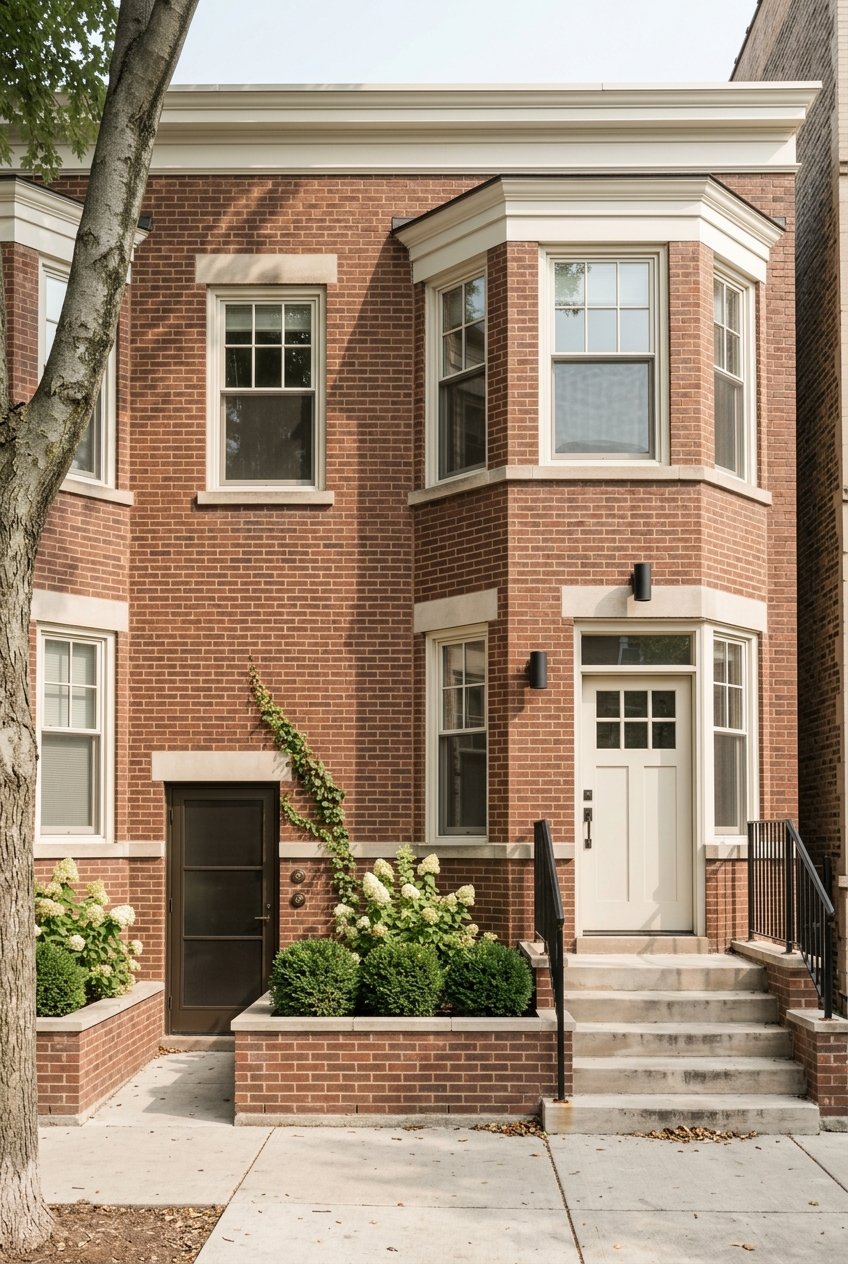
What Buyers Should Know About Logan Square Two-Flat Conversions
Thinking about buying a Logan Square two-flat conversion? It can be an exciting way to get more flexibility, more long-term options, and in some cases rental income potential in one of Chicago’s most architecturally rich neighborhoods. But with older buildings, legal unit counts, zoning, permits, and landmark rules can matter just as much as layout and finishes. This guide will help you understand what to verify before you buy and how to spot the difference between a smart opportunity and a costly surprise. Let’s dive in.
Logan Square has a housing pattern that makes two-flats feel natural, not niche. The neighborhood includes early-20th-century brick and limestone homes and apartment buildings, with greater density along avenues and around the square, plus newer infill and mixed-use development. That mix helps explain why small multifamily buildings still attract buyers who want both character and flexibility.
Chicago two-flats are a core part of the city’s housing fabric. According to the Chicago Architecture Center, two-flats and similar small multifamily buildings make up more than 30 percent of Chicago’s housing stock, and many were built between 1900 and 1920. In Logan Square, that means you are often looking at a building type with deep local history rather than an unusual product.
Historically, two-flats were often owner-occupied buildings designed to produce income from the second unit. That legacy still matters today. For buyers, a two-flat can offer flexibility for rental use, future resale, or a longer-term living plan that changes over time.
Not every “two-flat conversion” is the same. As a buyer, you will usually see one of three situations. You may be buying a legal two-flat that simply needs updating, a building someone wants to convert into two units, or a reworked property where the current layout needs to be matched against city records.
That distinction matters because your risk can change dramatically from one property to the next. A polished interior does not tell you whether the unit count is legal, whether work was permitted, or whether the current setup aligns with the building’s records. In many cases, those questions matter more than cosmetic condition.
Chicago’s permit guidance makes clear that renovation and alteration work can require plans prepared by an architect or engineer. Zoning review also must be approved or waived before permit issuance. If the project changes the layout, adds a unit, or seeks to legalize a unit, you should assume professional drawings, city review, and extra timeline are part of the picture.
Before you fall in love with a floor plan, confirm what the building legally is. If a seller describes a property as a two-flat, that description should be supported by records, permits, and the actual configuration of the building. If those pieces do not line up, you may be buying a project rather than a clean two-unit property.
This is especially important because Chicago’s current permit portal only shows applications started in the last three years. Older work may need to be confirmed through seller records, archived permits, or field inspection. If the building has been altered over time, the paper trail can be just as important as the walls you see during a showing.
A simple buyer mindset helps here: verify first, assume nothing. A lower level that looks like an apartment or a top floor that feels separate does not automatically mean the unit is legal. Clear documentation can protect both your purchase decision and your future resale options.
One of the biggest mistakes buyers make is assuming a Logan Square address should allow a two-flat because nearby buildings look similar. Chicago’s zoning guidance is clear that zoning is parcel-specific and too detailed to be understood well at a broad neighborhood level. You need to verify the exact address or PIN.
In Chicago, residential zoning districts serve different purposes. RS districts are intended for detached houses, while RT districts are intended to accommodate detached houses, two-flats, townhouses, and low-density multi-unit buildings. RM districts allow a wider range of residential types and are generally more multi-unit oriented.
That means a two-flat conversion is often a zoning question before it is a design question. If the zoning does not support the intended use, attractive plans and fresh finishes will not solve the core issue. This is why due diligence should start with the parcel, not the listing language.
When you compare possible properties, density rules can affect what is feasible. Chicago’s zoning ordinance states that RT4 requires a minimum lot area of 1,000 square feet per dwelling unit, while RM4.5 requires 700 square feet per dwelling unit. Those numbers can shape whether a two-unit setup works on paper.
Still, those figures are not guarantees. The ordinance also notes that parking, height limits, unit sizes, and lot configuration can reduce what is actually possible on a given site. A property may appear large enough, but the real answer depends on how all the rules work together.
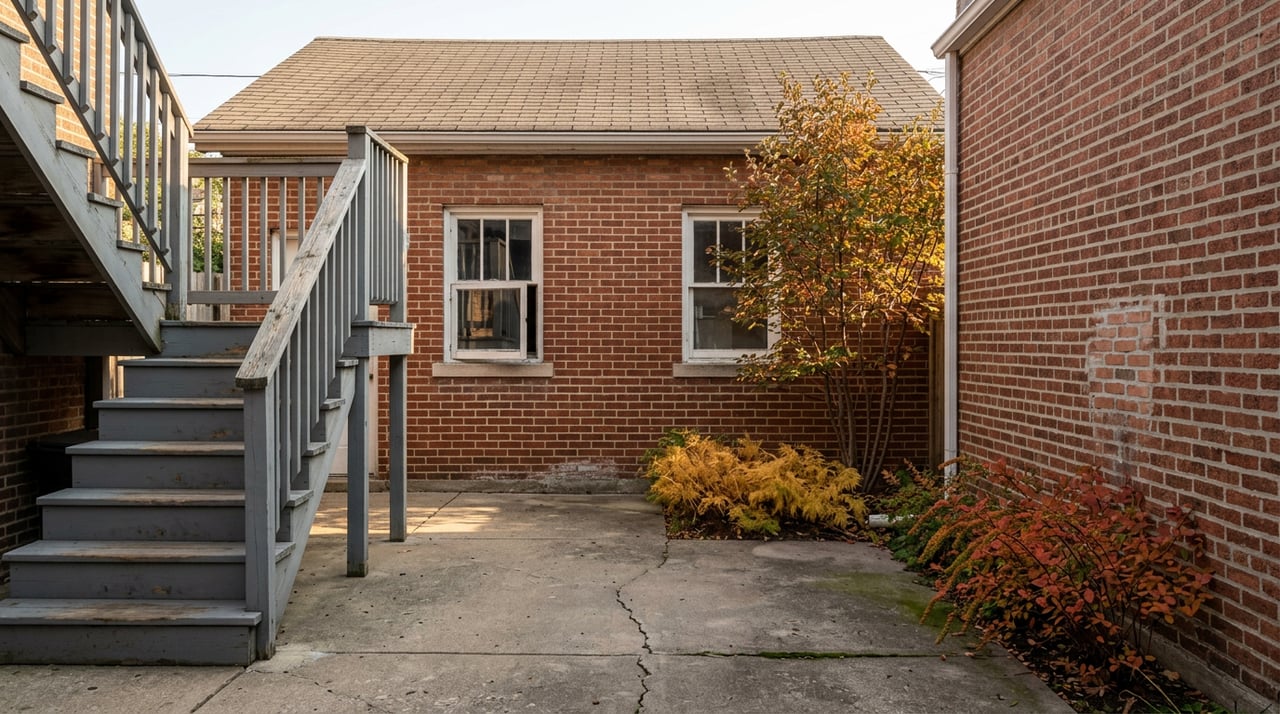
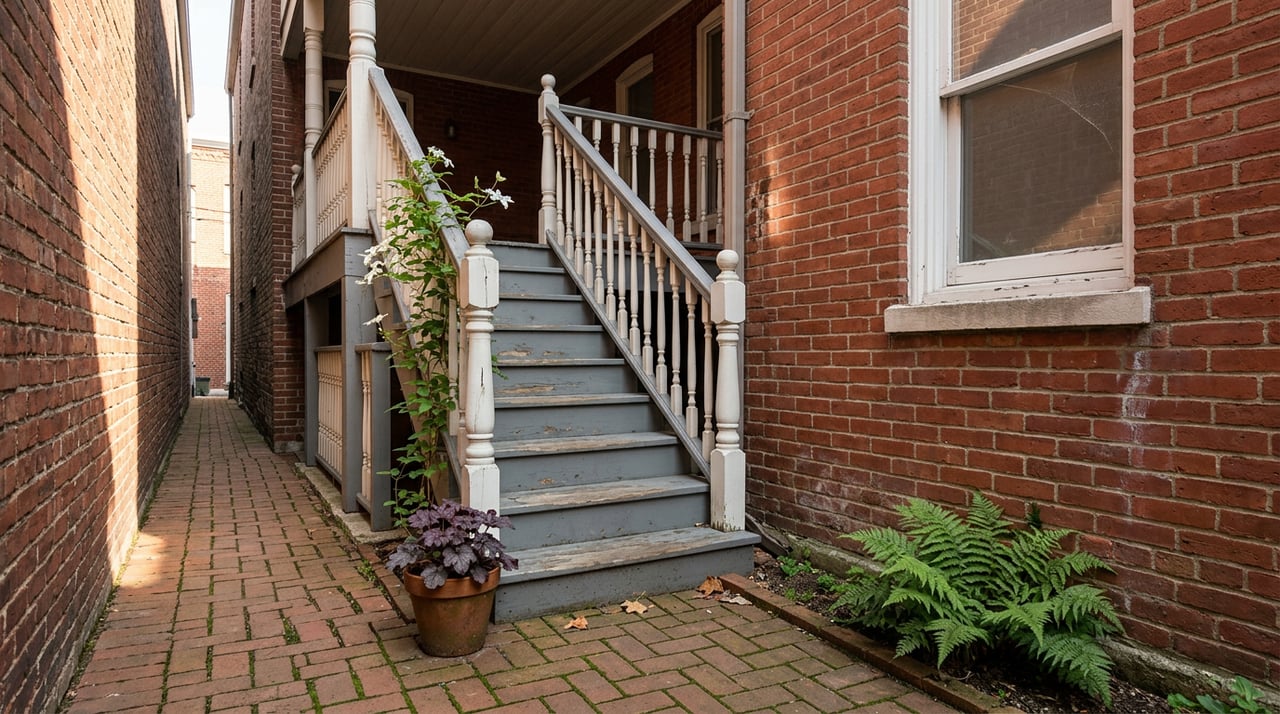
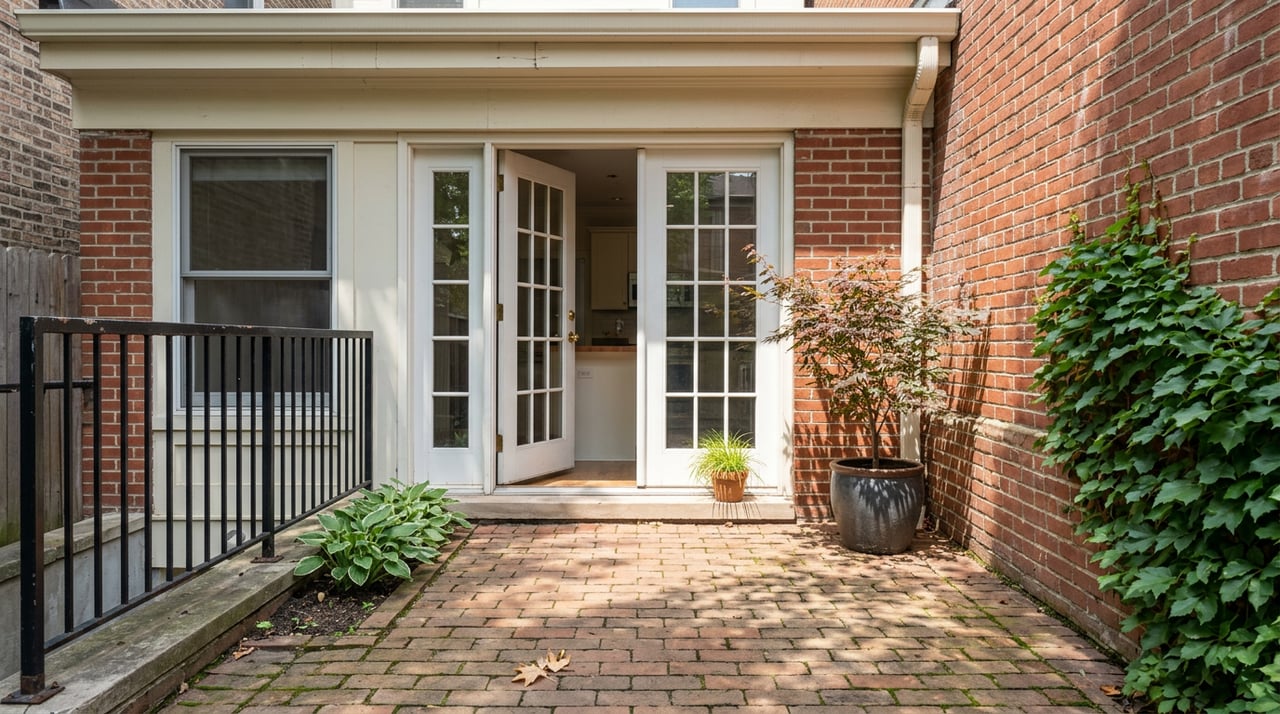
This is why lot width, alley access, and building massing matter so much in Logan Square. In older housing stock, the value of a project is not only about interior square footage. Exterior constraints can influence whether an addition, parking plan, or outdoor layout is practical.
Even in RM districts, not every new or newly established two-flat is automatically allowed. Chicago has restrictions affecting some newly established two-flats in certain RM districts within community preservation areas near CTA, Metra, or bus-corridor buffers. For buyers, this is a reminder that neighborhood context alone is not enough.
Logan Square has many small multifamily buildings, but you should not assume that means a new conversion path is open on every parcel. A building’s existing condition, legal status, and exact zoning context all matter. Verifying these points early can save you from chasing a property with hidden approval risk.
Some Logan Square properties fall within the Logan Square Boulevards District, a Chicago Landmark district centered on Logan, Kedzie, Palmer, and Humboldt Boulevards north of Cortland. If a property is in that district, permit work affecting the property may also require review by the Commission on Chicago Landmarks.
That review is separate from zoning. In practical terms, you might have a zoning path for a project but still face added review for exterior work visible from the public right-of-way. For buyers considering façade changes, additions, or exterior updates, that is an important layer to understand up front.
For many buyers, landmark status is not a deal breaker. It simply means you need a clearer plan and realistic expectations about scope, timing, and exterior design changes.
In older Chicago buildings, conversion costs are often driven by what you cannot see right away. Structural work, masonry repair, plumbing, electrical updates, mechanical systems, and permit closeout issues can all shape the budget more than finishes do. That is one reason a beautiful remodel can still become expensive after closing.
If the floor plan is being changed or a unit is being added or legalized, it is wise to budget for professional drawings, city review, and contingency funds. Corrections and resubmittals can extend timelines. Open permit issues can also delay progress.
For buyers, the goal is not to avoid every project. It is to understand whether the building fits your timeline, budget, and comfort level before you commit.
Chicago’s permit process is easier to navigate when you plan for it early. The city notes that renovation and alteration permits requiring plans are reviewed in ProjectDox, and open corrections can block permit issuance. Zoning review must be approved or waived before a permit can move forward.
Some projects may also require a Certificate of Occupancy process, especially if the work changes occupancy or requires formal sign-off. The city states that a certificate cannot be issued if work is incomplete or deficient. That means unfinished details or unresolved corrections can create delays that matter for move-in timing and financing plans.
It is also smart to verify that the architect, engineer, or expediter involved is properly licensed. Chicago’s professional lookup notes that architects and engineers are licensed through the State of Illinois and that status updates may lag slightly. Even so, confirming credentials is a practical step for any buyer evaluating active or recent work.
When you tour Logan Square two-flat conversions, keep your questions simple and direct. The most useful due diligence often comes down to a short list.
These questions help you separate a straightforward purchase from a property that may involve added time, cost, and approval risk.
The best two-flat purchases usually preserve flexibility. A legal, well-executed two-unit building can appeal to a future owner-occupant who wants income offset and to a small investor looking for a clean setup. That broader appeal can support resale down the line.
By contrast, a conversion that compromises light, outdoor space, parking usability, or permitting clarity can narrow the buyer pool later. In Logan Square, where historic character is part of the draw, buyers often respond best to properties that balance function with the original strengths of the building.
A good purchase is not just about whether a space works for you today. It is also about whether the legal setup and design choices will still make sense when it is time to sell.
A practical framework can keep your search grounded. First, verify zoning at the parcel level. Next, confirm the legal unit count and whether the current layout matches the records you can access.
Then, determine whether landmark review applies and whether future exterior work could trigger extra approvals. After that, budget honestly for an architect, permit process, and hidden building work. Once those pieces are clear, you can decide whether the conversion supports your timeline and long-term strategy.
For many buyers, Logan Square two-flats can be compelling because they combine location, architecture, and flexibility. The key is making sure the building’s legal and physical reality matches the story being sold.
If you are weighing a Logan Square two-flat conversion, the right guidance can help you read past the finishes and focus on what truly affects value. Dwell Wisely Group helps buyers and small multifamily clients evaluate neighborhood fit, property potential, and practical next steps with a local, design-aware lens.
Whether working with buyers or sellers, Dwell Wisely Group provides outstanding professionalism into making their client’s real estate dreams a reality. Contact the Dwell Wisely Group today for a free consultation for buying, selling, renting, or investing in Chicago.
Get in touch with our team to learn more.

1875 N DAMEN AVE CHICAGO IL 60647