Living in Bucktown Chicago: Homes, Transit & Lifestyle
Looking for a Chicago neighborhood that feels lively without feeling overwhelming? Bucktown often lands on that short list. If you want walkable streets, easy transit, local spots you will actually return to, and a housing mix with more personality than a typical tower district, Bucktown offers a lot to like. Let’s dive in.
Bucktown is commonly described as a tree-lined near-northwest-side Chicago neighborhood with a mix of old-school character and modern energy. Its roots include strong ties to Polish immigrant history and later waves of artists and creative businesses, which still shape how the area feels today.
What that means for you is a neighborhood with variety. You will see established residential blocks, busy retail corridors, and a blend of classic Chicago architecture with newer development. It feels urban, but not overly dense.
One of Bucktown’s biggest strengths is how daily life can happen close to home. You can grab coffee, pick up a few things, meet friends for dinner, and spend time outdoors without crossing half the city.
Official neighborhood coverage highlights a wide mix of local businesses, from cafés and restaurants to boutiques, vintage shops, record stores, and galleries. Damen Avenue is often described as Bucktown’s fashion artery, which gives you a good sense of the shopping and street-level activity in the area.
That mix helps Bucktown feel lived-in instead of purely trendy. It is the kind of neighborhood where errands and leisure often happen on the same few blocks, which can make your weekly routine feel a little easier and a lot more enjoyable.
If you enjoy having options close by, Bucktown delivers. Local coverage points to a wide range of neighborhood favorites, including coffee shops, casual restaurants, cocktail bars, sweet shops, and specialty retail.
You do not need to memorize a long list of names to understand the appeal. The bigger takeaway is that Bucktown offers a real commercial district, not just scattered storefronts. That gives the neighborhood a steady rhythm throughout the day and into the evening.
For many buyers and renters, this is a big part of the draw. You are not just choosing a home here. You are choosing a lifestyle that puts dining, browsing, and meeting up with friends within easy reach.
The 606 is one of Bucktown’s biggest anchors for outdoor life. The Chicago Park District says the Bloomingdale Trail runs 2.7 miles between Ashland and Ridgeway, with 12 access points, 17 accessible ramps, and daily hours from 6 a.m. to 11 p.m.
The trail is built on a former rail line that was turned into a multi-use recreational trail and park. In practical terms, that gives you a car-free place to walk, bike, jog, or simply get outside for a bit.
For Bucktown residents, The 606 often becomes part of normal life. It can be where you start a weekend morning, take kids or dogs out, or connect to nearby parks and neighborhoods without needing to drive.
One useful detail is that there is no dedicated parking facility for The 606. The Park District notes it is best reached by foot, bike, or public transit, which fits well with Bucktown’s overall car-light lifestyle.
Bucktown is not just about restaurants and retail. It also has neighborhood traditions and public spaces that help it feel grounded.
Holstein Park is often cited as a longtime neighborhood centerpiece, and community events like the Bucktown Arts Fest and the Bucktown Garden Walk add to that sense of place. These kinds of recurring events can make a neighborhood feel more connected and familiar over time.
If you are thinking about where you want to live, that matters. A neighborhood tends to feel different when it has both daily convenience and shared local rituals.
Bucktown appeals to many people because it supports a car-light routine. CTA says the Blue Line offers 24-hour rapid transit service between O’Hare and Forest Park by way of downtown Chicago, which is a major advantage if you commute regularly or travel often.
The Damen Blue Line station also connects to CTA bus routes 50, 56, and 72. That gives you multiple options for getting around the neighborhood and reaching other parts of the city.
The Chicago Park District also notes that The 606 is closely tied to nearby Western and Damen Blue Line stops. So if you live in Bucktown, transit and outdoor access tend to work together rather than feeling like separate pieces of your routine.
One of the most appealing things about Bucktown is the balance it offers. You can stay connected to downtown, the airport, nightlife, and nearby neighborhoods while still living in a smaller-scale residential setting.
That is a meaningful difference if you want city access but do not want to be surrounded by towers. Bucktown tends to offer a more low-rise, block-by-block experience, which many people find easier to picture as a long-term home base.
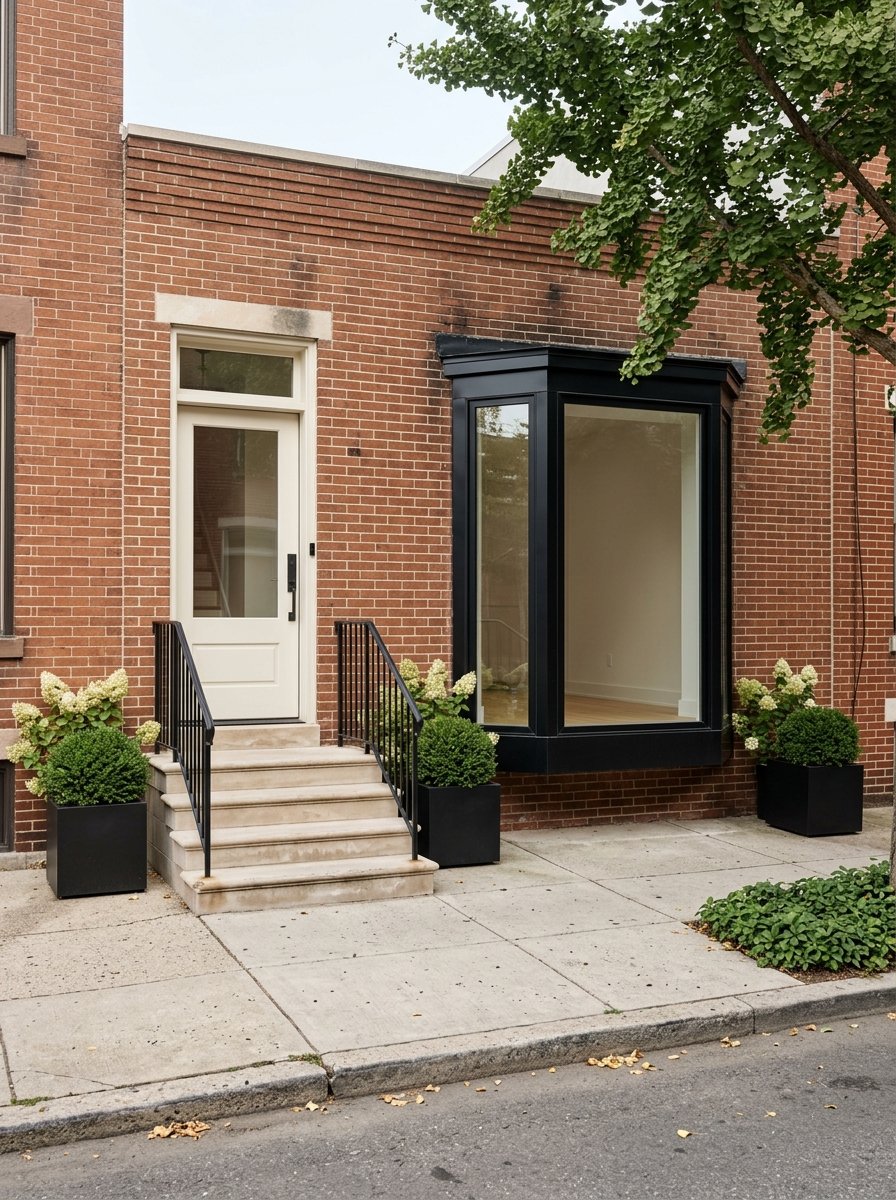
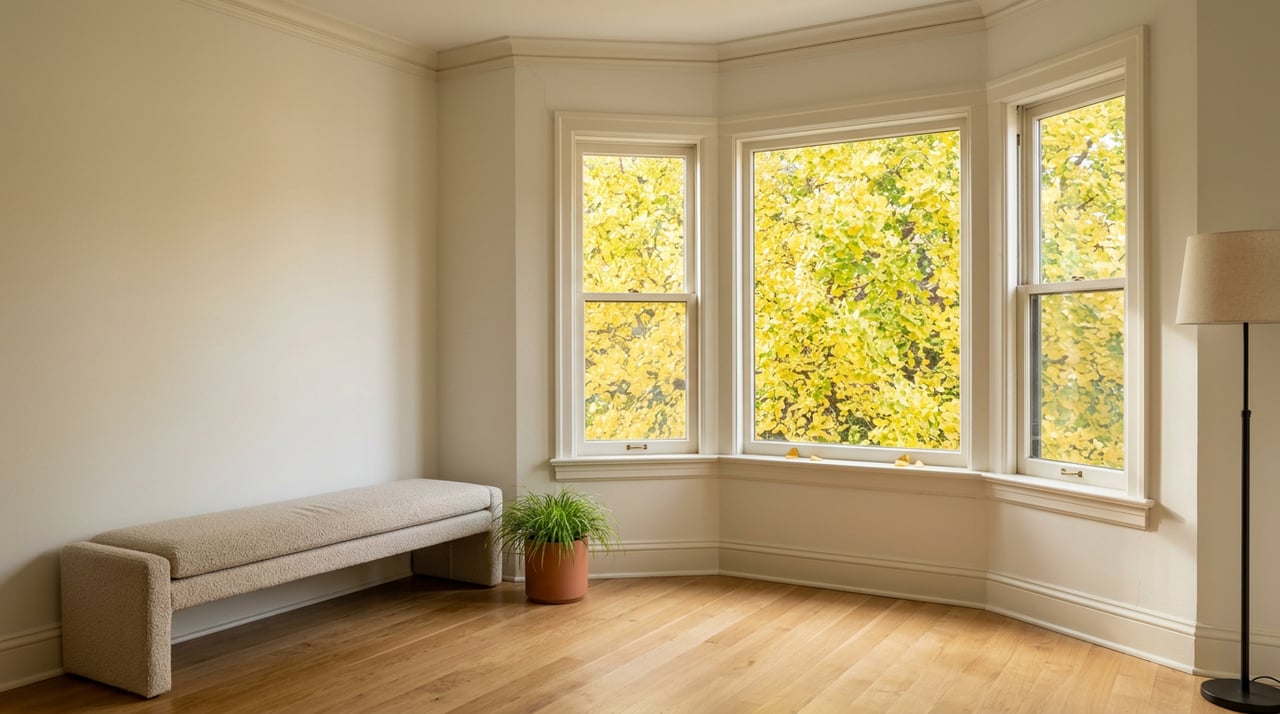
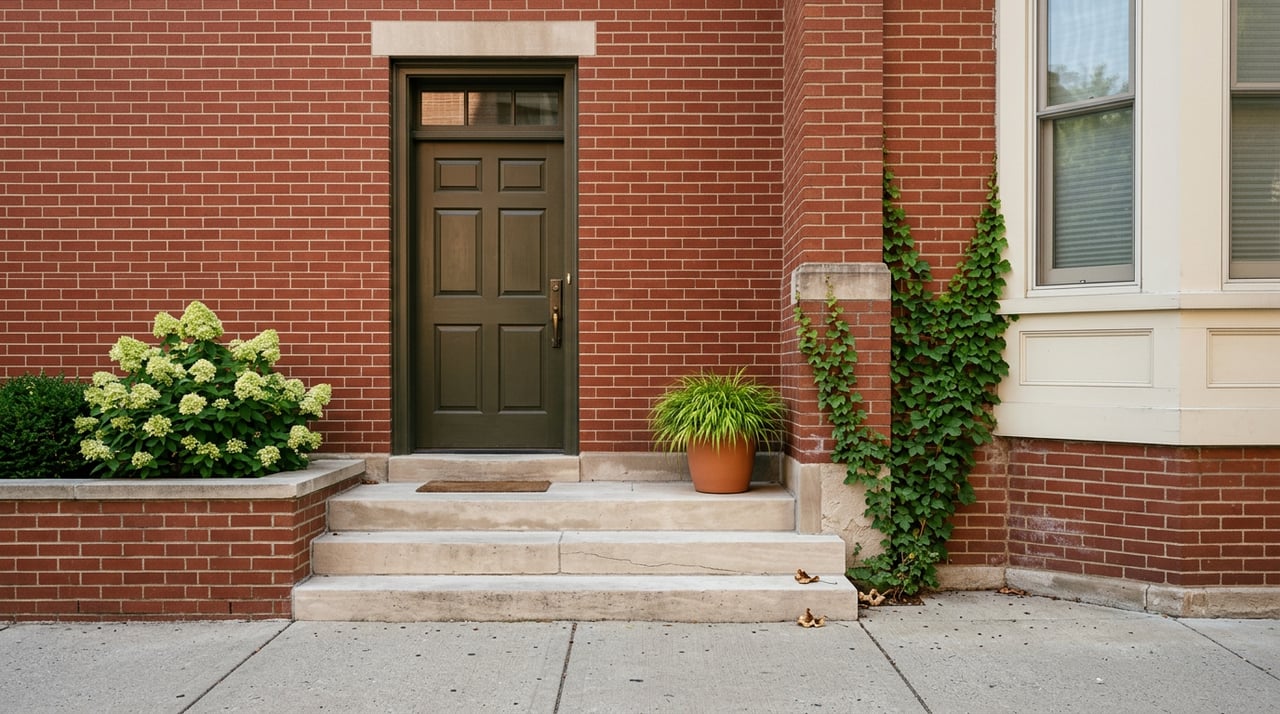
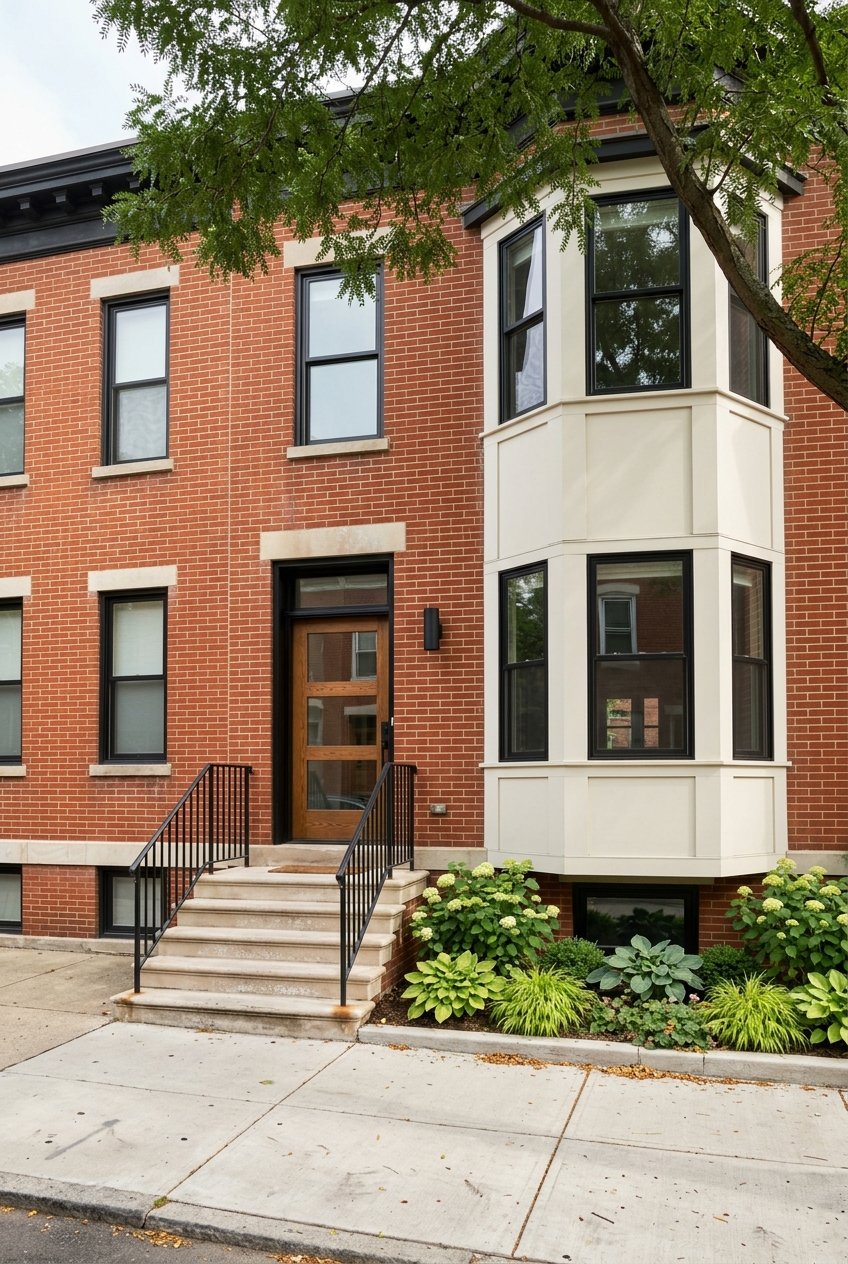
Bucktown is not a one-note housing market. Current neighborhood guides describe a mix of renovated Victorian homes, modern new construction, condo conversions, single-family homes, lofts, and attached row-home-style options near The 606.
That variety matters when you start your search. Two homes a few blocks apart can offer very different layouts, finishes, and street feel, even if they are in the same general price band.
For buyers, that means Bucktown can fit more than one lifestyle. You might be looking for a condo with easy maintenance, a townhouse-style home with more separation of space, or a renovated single-family property with classic Chicago character.
If cost is part of your decision, Bucktown is generally considered a higher-priced near-northwest-side neighborhood. Recent market snapshots vary by source and methodology, but they point in the same general direction.
As of early 2026, one source reported a median sale price of $698,000, while another reported a median listing price around $899,900 and median rent around $2,600. The exact number will depend on timing, property type, and source, but the broader takeaway is clear: Bucktown is a sought-after neighborhood where pricing reflects strong demand.
For you, that means it helps to enter the market with a clear plan. Understanding the type of home you want, how much flexibility you need, and which blocks best match your routine can make the process more focused.
Bucktown often works well for people who want walkability, character, and access. That can include first-time buyers looking for a condo or attached home, renters who want a strong neighborhood feel with transit nearby, and move-up buyers who want more space without leaving the city.
It can also appeal to people who care about design and architecture. Because the housing stock is mixed, you can find very different expressions of city living here, from older homes with historic details to newer spaces with a cleaner, more contemporary feel.
The best fit usually comes down to priorities. If you want convenience, neighborhood identity, and housing options that feel more personal than generic, Bucktown is worth a closer look.
At a practical level, living in Bucktown often means your day has more built-in ease. You may walk to coffee, hop on the Blue Line, meet friends nearby, or spend time on The 606 without much planning.
At a lifestyle level, it feels like a neighborhood with both polish and personality. There is enough activity to keep things interesting, but enough residential character to still feel grounded.
That balance is hard to fake, and it is one reason Bucktown continues to stand out in Chicago. For many people, it hits a sweet spot between convenience, character, and long-term livability.
If you are weighing Bucktown against nearby neighborhoods, it helps to look beyond price per square foot. Pay attention to how you want your week to flow, what kind of home feels right, and whether the neighborhood supports the way you actually live.
If you want help exploring Bucktown homes, comparing nearby neighborhoods, or building a smart plan as a buyer, seller, renter, or investor, Dwell Wisely Group is here to help.
Whether working with buyers or sellers, Dwell Wisely Group provides outstanding professionalism into making their client’s real estate dreams a reality. Contact the Dwell Wisely Group today for a free consultation for buying, selling, renting, or investing in Chicago.
Get in touch with our team to learn more.

1875 N DAMEN AVE CHICAGO IL 60647