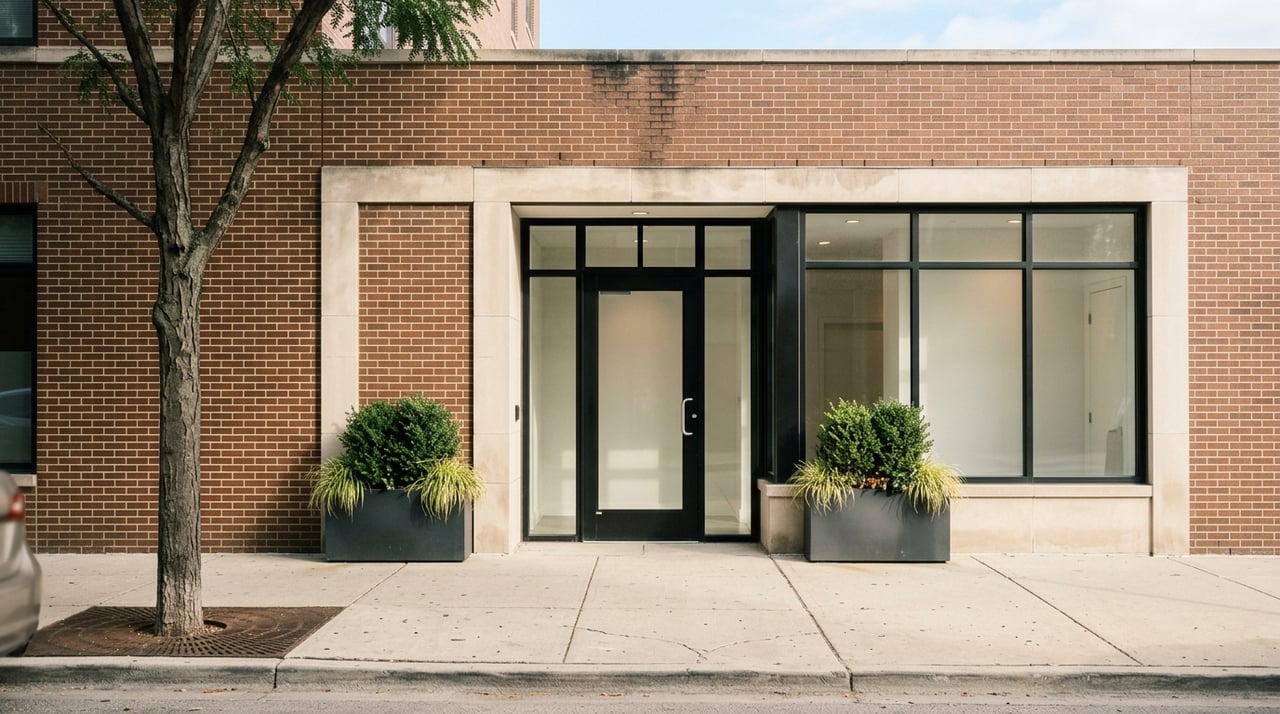
Wicker Park vs West Loop Condos: Which Fits Your Life?
Trying to choose between Wicker Park and the West Loop for your next condo? It is a common Chicago question, and the answer usually comes down to how you want your daily life to feel. If you are weighing character, price, building style, and commute convenience, this side-by-side guide will help you sort through the tradeoffs with more confidence. Let’s dive in.
If you want the short version, Wicker Park and the West Loop offer two distinct condo lifestyles.
Wicker Park tends to feel more neighborhood-led. West Loop tends to feel more centralized, dining-driven, and tied to major transit and downtown access. Both have strong condo options, but the fit often comes down to what matters most to you beyond the unit itself.
| Category | Wicker Park | West Loop |
|---|---|---|
| Overall feel | Historic, artsy, walkable | Modern, adaptive-reuse, downtown-leaning |
| Condo stock | Lower-rise, character-heavy | Lofts plus newer high-rises |
| Current price snapshot | High-$500Ks to mid-$700Ks range | High-$400Ks to around $500K median range |
| Inventory snapshot | More limited choice | Deeper selection |
| Transit profile | Blue Line centered | Multiple rail and terminal connections |
| Daily rhythm | Local retail, coffee, neighborhood texture | Restaurants, office access, centralized convenience |
Wicker Park is widely known for its artsy, walkable feel. The area is associated with shopping, coffee spots, dining, nightlife, indie music, The 606, and Wicker Park Fest. If your ideal weekend includes staying close to home and moving easily from brunch to boutiques to the park, that rhythm may appeal to you.
For condo buyers, Wicker Park often feels like a place where the block and the streetscape matter almost as much as the unit. You may be drawn to the neighborhood because it feels layered, social, and full of local character. That can be especially appealing if you want your home search to be about more than amenities inside the building.
The West Loop has a different energy. It grew from industrial and wholesale food-market roots into a neighborhood known for adaptive reuse, modern buildings, and a dense restaurant scene, especially around Randolph Street’s Restaurant Row.
That history shows up in the lifestyle. Many buyers are drawn to the West Loop for its more downtown-leaning feel, newer residential options, and easy access to major office and transit nodes. If you want a condo that feels plugged into the city’s core, West Loop often delivers that more directly.
Wicker Park’s architecture plays a big role in its condo appeal. The neighborhood includes late-19th-century housing stock, including workers’ cottages, Victorian homes, and other historic styles.
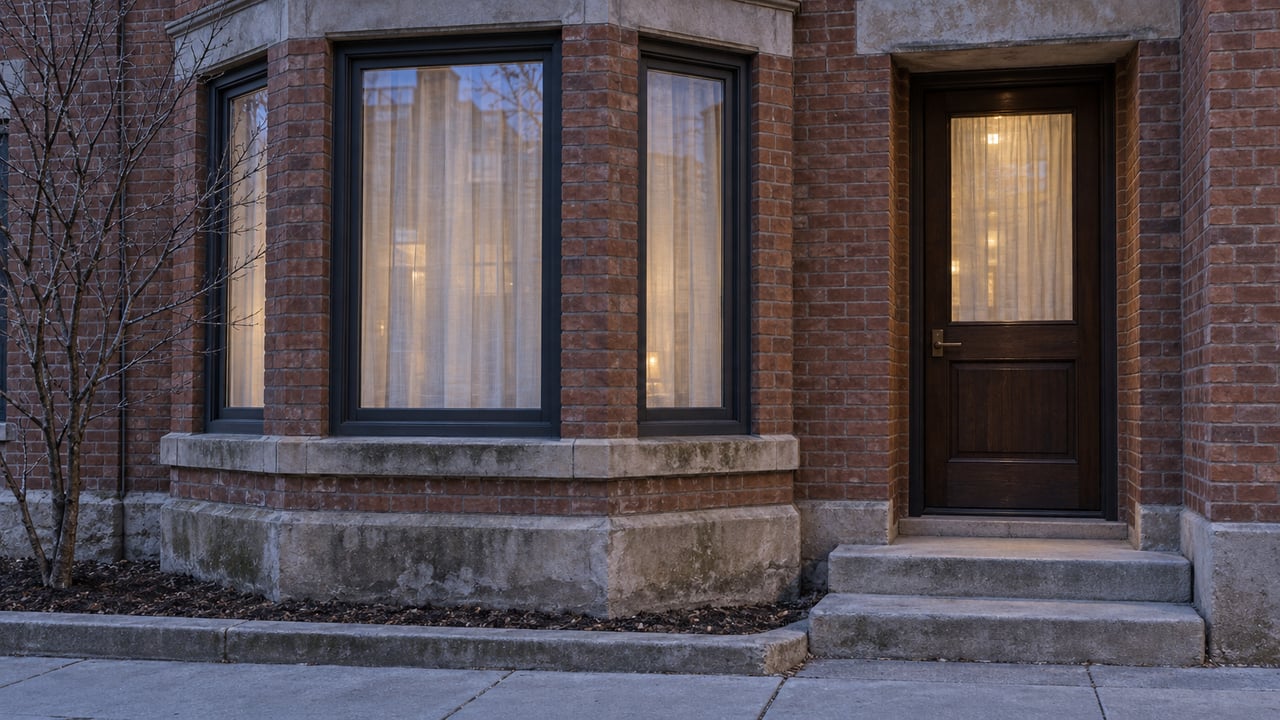
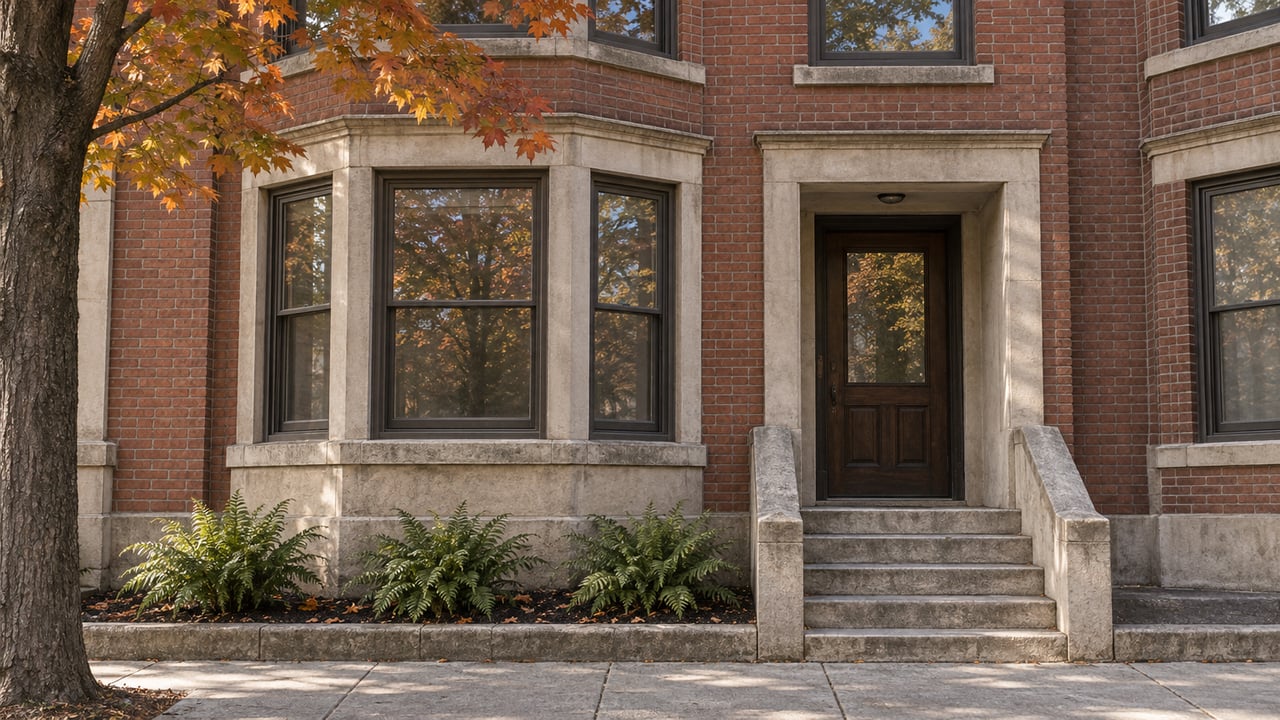
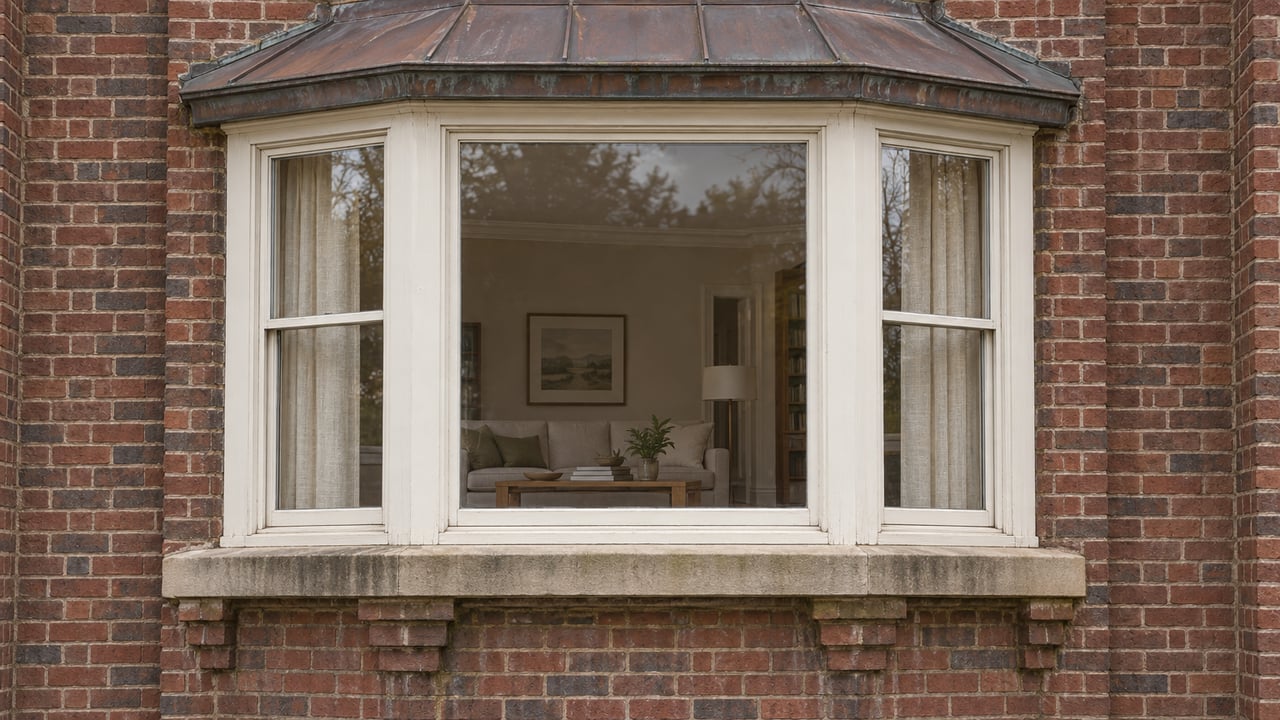
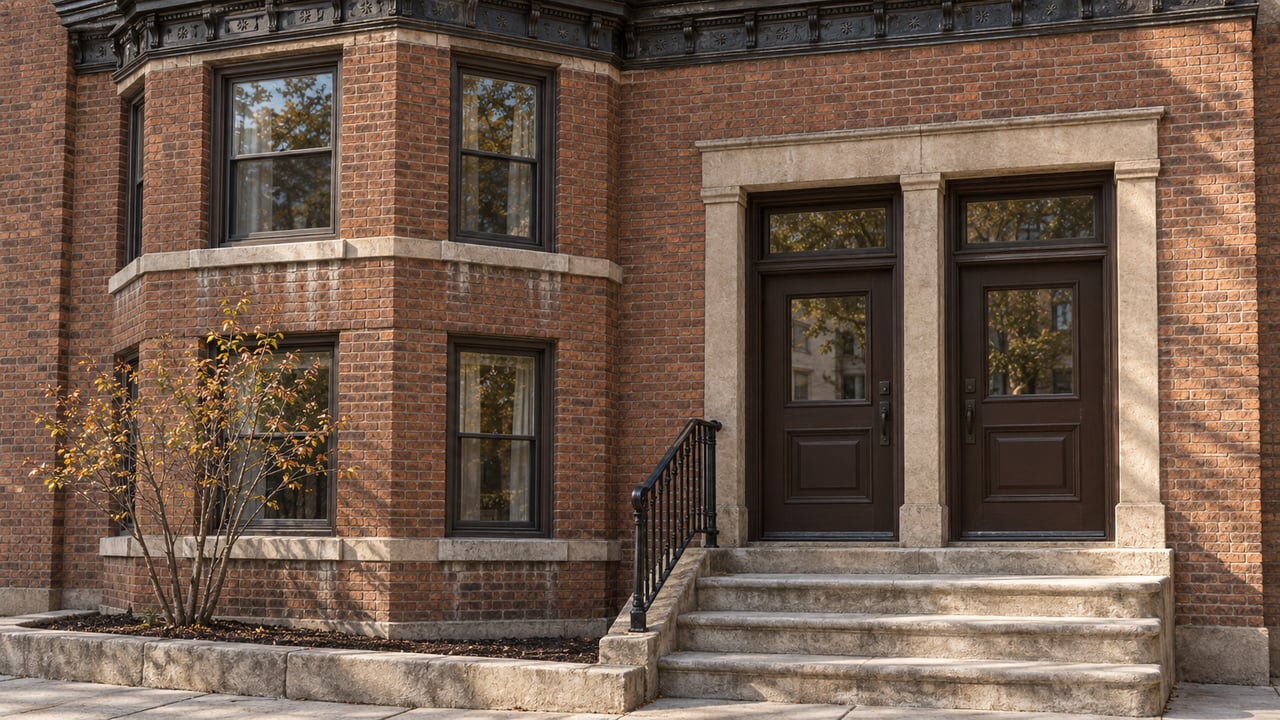
In today’s condo market, that often translates into converted lofts, exposed brick, renovated flats, boutique elevator buildings, and greystone-style homes with fewer units. In practical terms, you are more likely to see lower-rise, character-rich inventory than tower-heavy inventory here.
If you care about details like original texture, unique layouts, or smaller buildings, Wicker Park may feel more personal. The tradeoff is that building amenities can be more limited depending on the property.
West Loop offers a broader mix of old and new. The neighborhood includes loft spaces in converted factories and warehouses, along with newer residential high-rises and luxury developments.
That means your options may range from timber lofts with industrial details to larger amenity-focused buildings. If you want a doorman building, newer finishes, or a more polished vertical-living experience, West Loop usually gives you more opportunities to compare those options.
For buyers who like choice, this mix can be a major advantage. You can often compare true loft character against newer construction in the same general area.
Price is one of the clearest contrasts right now. In Wicker Park, recent snapshots place condo pricing broadly in the high-$500,000s to mid-$700,000s, depending on whether you are looking at listing price or sale price data.
Current sources show Wicker Park around a $600,000 median condo listing price, a $635,000 neighborhood median sale price, a $650,000 median listing price on another portal, and a higher list-price snapshot above $735,000 from Zillow in April 2026. The takeaway is not one exact number. It is that Wicker Park should be viewed as a range market.
West Loop’s condo medians are currently lower on the portal snapshots in the research. Redfin shows a $497,000 median listing price with 106 condos for sale, while other snapshots place median listing and sold pricing in the upper-$400,000s.
That said, West Loop still reaches very high at the top end. The neighborhood includes luxury condo product with asking prices well into the multimillion-dollar range. So while median pricing may look more accessible than Wicker Park, your actual budget fit will still depend heavily on building type, size, and finish level.
If you want more options to compare, West Loop currently stands out. The research snapshot shows 106 condos for sale there versus 16 condos for sale in Wicker Park.
That difference matters. More inventory can give you more flexibility on layout, finish level, and building style, and it may also create more room to negotiate depending on the property. In Wicker Park, a tighter selection can make it harder to find an exact match if you have a very specific checklist.
This is one reason lifestyle fit and search strategy should work together. A neighborhood may be your favorite on paper, but inventory depth can shape what is realistically available when you are ready to buy.
Transit is another major separator between these two areas.
In Wicker Park, the CTA Blue Line is the backbone, with Division, Damen, and Western serving the neighborhood. The Blue Line runs 24 hours a day between O’Hare and Forest Park via downtown, which makes it especially practical if airport access or a Blue Line routine is central to your schedule.
In the West Loop, the transit network is denser. You have access to the Clinton Blue Line, UIC-Halsted Blue Line, Morgan Green and Pink Line service, and connections to Union Station, Ogilvie Transportation Center, Metra lines, and Amtrak.
If your routine depends on multiple rail choices or easy access to major downtown terminals, West Loop often has the edge. If your daily life is more Blue Line centered and you want a neighborhood feel around that route, Wicker Park may feel simpler and more intuitive.
If you are still deciding, it helps to rank what matters most in your day-to-day life.
Choose Wicker Park if you are looking for:
Choose West Loop if you are looking for:
When buyers compare Wicker Park and West Loop, the wrong question is often, “Which one is better?” The better question is, “Which one fits the way I actually live?”
Start with your non-negotiables. Think about commute patterns, the kind of building you want, how much neighborhood character matters to you, and whether you prefer a quieter residential rhythm or a more centralized urban pace.
Then look at real inventory through that lens. In Chicago’s condo market, the best choice is usually the one that aligns your budget, your routine, and the type of home you will still be happy to come back to a year from now.
If you want help narrowing down the right fit between Wicker Park and West Loop, Dwell Wisely Group brings hyperlocal Chicago insight, thoughtful guidance, and a design-savvy approach to every condo search.
Whether working with buyers or sellers, Dwell Wisely Group provides outstanding professionalism into making their client’s real estate dreams a reality. Contact the Dwell Wisely Group today for a free consultation for buying, selling, renting, or investing in Chicago.
Get in touch with our team to learn more.

1875 N DAMEN AVE CHICAGO IL 60647