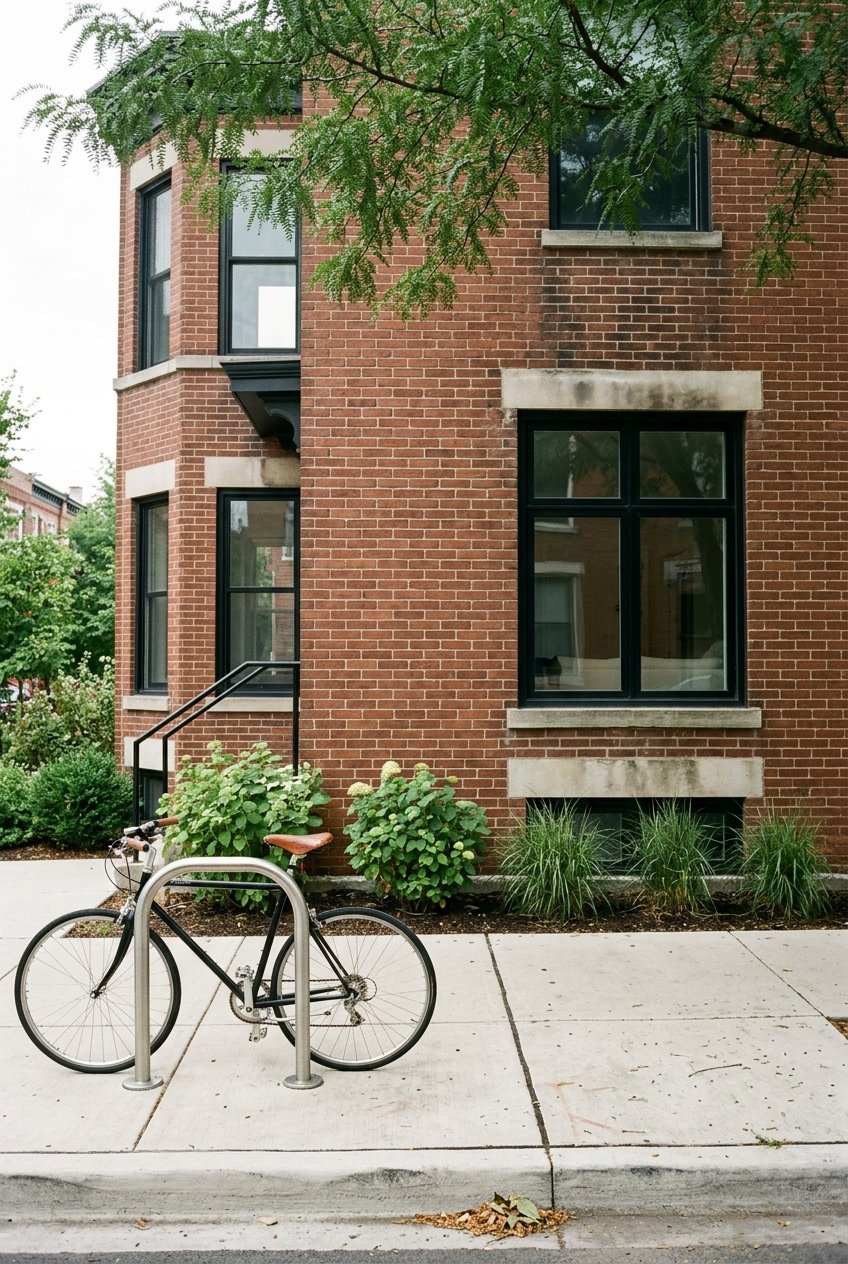
Bucktown Car-Free Living: Walk, Bike & Transit Everyday
If you want a Chicago neighborhood where everyday life does not have to revolve around parking, gas, and traffic, Bucktown deserves a close look. For many buyers, renters, and future sellers, the real appeal is simple: you want a home base where coffee runs, commutes, dinners out, and weekend plans can happen on foot, by bike, or on the train. Bucktown stands out for exactly that mix of convenience and city energy. Let’s dive in.
Bucktown is one of Chicago’s strongest neighborhoods for car-light living. Walk Score rates Bucktown at 93 for walkability, 73 for transit, and 94 for biking, and also ranks it as the 10th most walkable neighborhood in Chicago.
That matters because these numbers reflect how daily life actually feels. According to Walk Score, daily errands do not require a car, and the neighborhood includes about 246 restaurants, bars, and coffee shops. If your goal is to spend less time driving and more time enjoying where you live, Bucktown checks a lot of boxes.
The Wicker Park Bucktown Chamber reinforces that picture, noting that the area is easy to reach by bus, train, bike, and foot. In practical terms, Bucktown supports a lifestyle where you can build routines around transit access and nearby amenities instead of around where to park.
For many people living car-free in Bucktown, the CTA Blue Line is the backbone of the neighborhood. The CTA Blue Line runs 24 hours a day between O'Hare and Forest Park by way of downtown, which gives Bucktown a major advantage for commuting, airport access, and late-night flexibility.
The neighborhood is served by three key Blue Line stops along or near the Milwaukee Avenue corridor: Division, Damen, and Western. Having multiple access points helps spread out your options depending on where you live and where you are headed.
The Damen station at 1558 N. Damen Ave. is elevated, includes indoor bike parking, and connects to CTA bus routes 50, 56, and 72. CTA also describes it as a vital link to Wicker Park and Bucktown.
If you are comparing homes nearby, this kind of station access can shape your day-to-day experience in a big way. Being close to a stop with bike parking and bus connections can make a no-car routine much more practical.
The Western station at 1900 N. Western Ave. is accessible, offers sheltered bike parking, and connects to buses 49, X49, 56, and 73. That combination can be especially helpful if you want flexibility beyond a single train route.
In a neighborhood like Bucktown, strong station infrastructure matters as much as the train itself. Bike parking, bus transfers, and accessibility features all add to the ease of living without a private vehicle.
The Division station at 1200 N. Milwaukee Ave. is a subway station with indoor bike parking and connections to buses 9, X9, 56, and 70. For homes positioned closer to the southern edge of Bucktown or near Milwaukee Avenue, this stop can be a key part of the daily commute.
Taken together, these stations make Bucktown feel connected rather than isolated. You are not relying on one single transit option, which is part of what makes the neighborhood work so well for a car-light lifestyle.
If the Blue Line is the transit backbone, The 606 is Bucktown’s signature active transportation feature. The Chicago Park District says the trail runs 2.7 miles along the Bloomingdale Trail, includes 12 access points and 17 accessible ramps, and is open daily from 6 a.m. to 11 p.m.
It is also built for walking and biking, not driving. The Park District notes that motorized and commercial vehicles are not allowed, which helps preserve The 606 as a true neighborhood mobility and recreation corridor.
For residents who do not own a bike, Divvy’s 606 guide adds another useful layer. Divvy highlights five entry and exit points with nearby bike-share stations, including Damen/Courtland, Milwaukee/Wabansia, and Western/Winnebago.
Divvy also notes that a ride from Milwaukee and Wabansia to the west end of the trail is about 2 miles and takes around 15 minutes. That gives you a realistic sense of how easy short local trips can be when bike-share and trail access are part of everyday life.
The Wicker Park Bucktown Chamber lists Milwaukee, Cortland, Damen, Division, Elston, and Armitage among the area’s popular bike lanes and describes The 606 as a key east-west bike route. That is a strong sign that biking here is not just a weekend activity.
In Bucktown, cycling can fit into real routines like commuting, meeting friends, or running smaller errands. For buyers who value mobility and flexibility, that is a meaningful lifestyle benefit.
One of Bucktown’s biggest strengths is how easy it feels to be out in the neighborhood. Walk Score’s data that daily errands do not require a car is probably the clearest summary of why Bucktown appeals to so many people seeking a more connected urban lifestyle.
That convenience also comes with variety. Walk Score says the neighborhood has about 246 restaurants, bars, and coffee shops, which supports the kind of day where you can walk to grab coffee, meet someone for dinner, or make a few quick stops without planning around a car.
The Wicker Park Bucktown Chamber’s neighborhood guide describes the area as a mix of restaurants, taco stands, cafés, boutiques, vintage shops, music clubs, and art galleries. Just as important, it frames walking through the neighborhood as part of the experience itself.
Car-free living works best when daily needs are close at hand. Bucktown’s walkability helps with that, and local shopping options add to the neighborhood’s appeal.
For example, the Wicker Park Farmers Market describes its mission as helping give residents access to healthful foods and local goods. While a farmers market is not a substitute for every type of grocery shopping, it does support the idea that many routine stops can happen close to home.
This is often what buyers mean when they say they want convenience. It is not only about a short commute. It is also about being able to handle pieces of everyday life without turning every errand into a drive.
In general, the most car-light-friendly homes in Bucktown are likely the ones closest to the Blue Line and the Milwaukee, Damen, and Western corridors. That takeaway is based on the neighborhood’s walkability and transit scores, CTA station locations, and The 606 access pattern.
If you are home shopping with a low-car or no-car lifestyle in mind, location inside the neighborhood matters. A few blocks closer to a train station, bike route, or a cluster of shops can have a real impact on how often you feel the need for a car.
This is especially relevant for condo and townhouse buyers who want to prioritize convenience over extra storage for a vehicle. In Bucktown, the right location can support that decision in a very practical way.
Bucktown is highly workable without a car, but that does not mean every parking question disappears. The Chicago Park District’s 606 information notes that the trail does not have a dedicated parking facility and that nearby street parking may involve resident permits.
That is useful context whether you own a car now, expect guests to visit by car, or simply want to understand the tradeoffs. Car-free living in Bucktown is often more convenient than car-dependent living elsewhere, but it still helps to think through your routines before you move.
The good news is that Bucktown gives you strong alternatives. Transit, bike routes, and walkable amenities create options that can reduce the need for a car in the first place.
For buyers, Bucktown’s transportation mix is more than a nice extra. It can shape your budget, your commute, and the kind of home that feels like the right fit. If you want to minimize car use, focusing your search near Blue Line access and major walkable corridors can make a real difference.
For sellers, this same lifestyle appeal is part of what makes Bucktown so compelling. Walkability, bike access, and transit convenience are features many city buyers actively look for, especially those considering condos, townhomes, and other low-maintenance urban homes.
At Dwell Wisely Group, we help clients look beyond square footage and understand how a home fits the way they actually want to live. If you are buying, selling, or simply exploring your options in Bucktown, we would love to help you think through the neighborhood with a clear, local perspective.
Whether working with buyers or sellers, Dwell Wisely Group provides outstanding professionalism into making their client’s real estate dreams a reality. Contact the Dwell Wisely Group today for a free consultation for buying, selling, renting, or investing in Chicago.
Get in touch with our team to learn more.

1875 N DAMEN AVE CHICAGO IL 60647