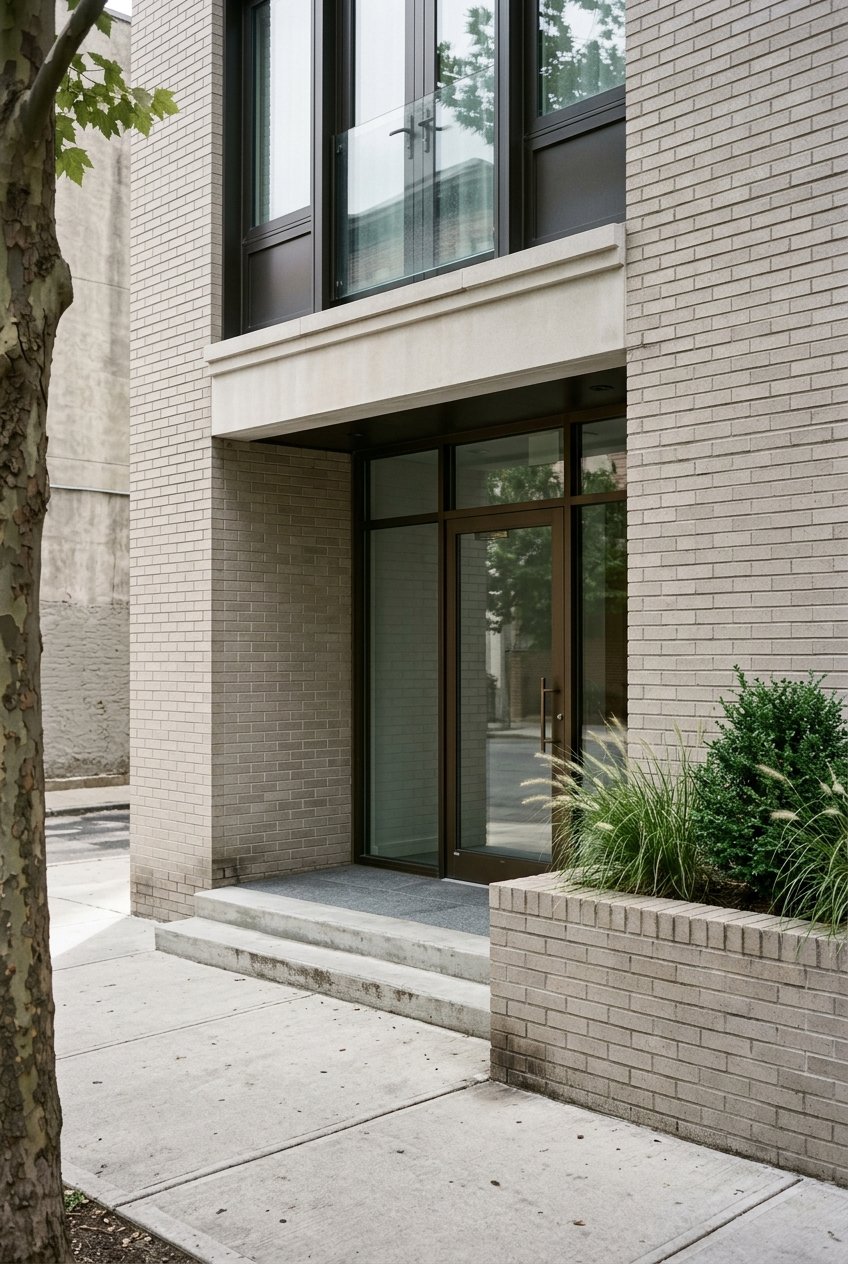
What to Know About Logan Square New Construction Condos
New construction in Logan Square can look like the best of both worlds: modern finishes, lower-maintenance systems, and a location in one of Chicago’s most recognizable neighborhoods. But buying here is rarely as simple as picking the prettiest kitchen. In Logan Square, every block can feel a little different, and the smartest buyers look beyond the finishes to the building, the budget, and the details that shape day-to-day ownership. Let’s dive in.
Logan Square is not a blank-slate neighborhood where every building starts from the same baseline. Much of the area is defined by historic boulevards, older masonry buildings, and a street pattern shaped by Milwaukee Avenue, the Blue Line, and the Kennedy Expressway.
That matters because new condos here are being added into an already layered setting. When you tour a new construction condo in Logan Square, you are often weighing modern design and newer systems against the character and street presence that older buildings can offer.
The neighborhood’s transit access is also part of the appeal. The Blue Line and access to The 606 support a walkable, connected lifestyle, but they can also create block-by-block differences in noise, traffic, and activity.
In Logan Square, new construction condo inventory is often boutique in scale rather than large high-rise product. Buyers commonly see 2-unit buildings, small elevator buildings, top-floor condos, and duplex-ups rather than massive amenity-heavy towers.
Recent listings suggest a fairly consistent package of features in many projects. That often includes:
These features are common, but they are not universal. Two buildings at a similar price point may feel very different once you compare room sizes, storage, layout efficiency, sound exposure, and the quality of common elements.
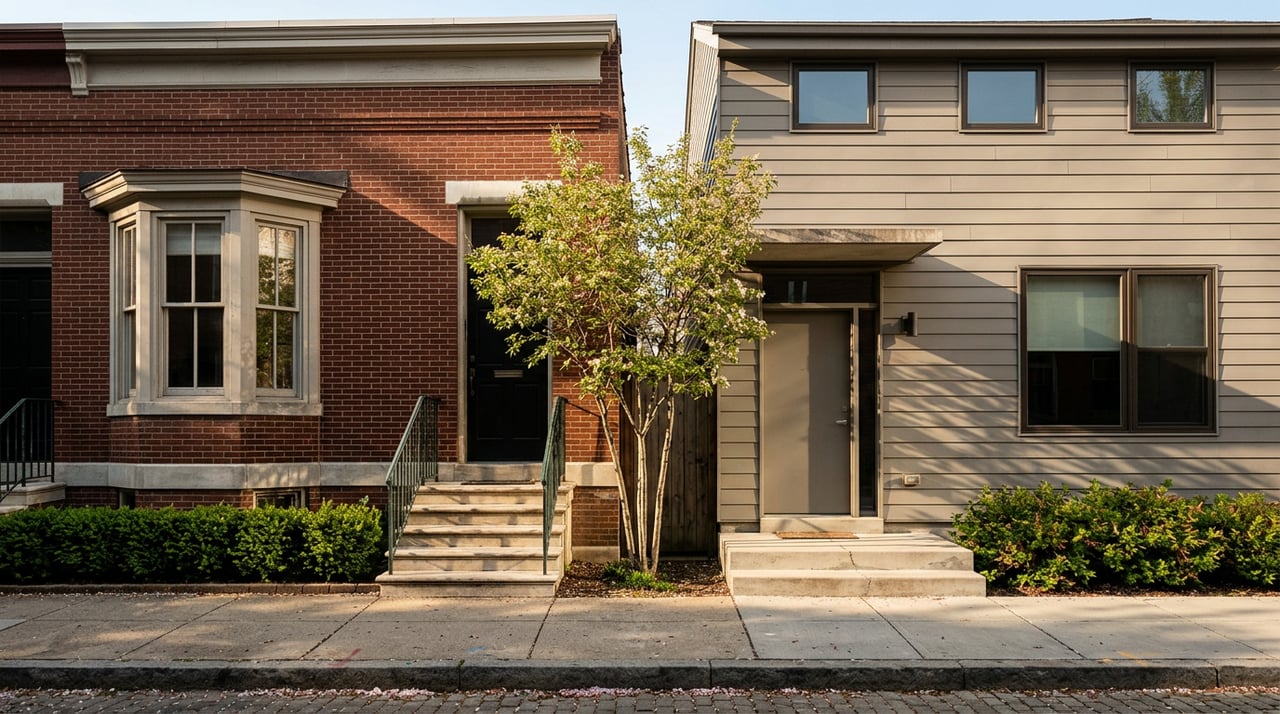
This is one of the biggest Logan Square decisions you will make. If you are choosing between a new condo and a vintage rehab, the tradeoff usually comes down to newer systems and cleaner interiors versus older architectural character and original exterior detail.
A new construction condo may give you a more open layout, larger windows, and a more current finish palette. A vintage rehab may offer older masonry, trim, and a facade that feels more tied to Logan Square’s historic identity.
Neither option is automatically better. The right fit depends on whether you value turnkey convenience, lower immediate maintenance risk, and contemporary design, or whether you are willing to trade some of that for more traditional character.
In Logan Square, small location shifts can change the living experience more than many buyers expect. A condo near Milwaukee Avenue, the Blue Line, or a more active corridor may feel more connected to neighborhood energy, but it may also come with more street activity or noise.
A quieter side street may offer a different pace while still keeping you close to transit and neighborhood destinations. That is why it helps to visit at more than one time of day if you can.
When you tour, pay attention to:
A beautiful kitchen is easy to notice. A healthy condo association is not. But in the long run, association budgeting, reserves, and assessment planning can affect your ownership costs just as much as the finishes you see on day one.
Illinois law requires reasonable reserves for capital expenditures and deferred maintenance. It also says boards should consider repair and replacement cost, useful life, reserve studies, the effect of assessment increases on unit values, and the association’s ability to finance or refinance.
Chicago also warns that if reserves are not funded for future costs, a special assessment may be needed. In practical terms, that means a building with low assessments can look appealing upfront, but if reserves are too thin, owners may pay for it later.
For newer Chicago condo projects with declarations recorded on or after January 1, 2012, developers must provide a condominium disclosure summary before the contract is signed. That summary is meant to give buyers a clearer picture of what they are buying.
According to Chicago’s condominium ordinance, the summary must describe items such as:
This document matters because it helps you compare more than finishes and floor plans. It can also help you spot whether a building’s monthly costs and reserve planning seem realistic.
Monthly assessments are not just about square footage. In Illinois condos, some costs tied to limited common elements can be charged only to the units assigned those elements.
That makes features like parking spaces, rooftop rights, and storage worth a much closer look. Two units in the same building can have different carrying costs depending on how those items are structured.
When reviewing a condo, ask:
With new construction, you are not always buying into a fully owner-run association right away. Illinois law says the first unit-owner board of managers must be elected no later than 60 days after the developer conveys 75 percent of the units or 3 years after the declaration is recorded, whichever comes first.
That means there is a real period when the developer still controls the association. For buyers, this is another reason to review budgets, disclosures, and construction details carefully from the start.
Many buyers hear “new construction” and assume everything is covered for years. In reality, warranty coverage depends on what kind of warranty you are getting and what it actually includes.
For newly built homes, builder warranties generally cover workmanship and materials for most components for about one year, HVAC, plumbing, and electrical systems for about two years, and major structural defects for up to ten years. A separate home warranty or service contract is different and may cost extra.
Before you move forward, ask for the warranty terms in writing and clarify who handles each type of claim. Appliance coverage, builder coverage, and structural coverage are not always administered the same way.
If you are buying a condo before construction is finished, timelines and contract details become especially important. A polished rendering can be exciting, but your real protection comes from understanding the contract and delivery expectations.
For homes that are not yet built, buyers should ask when builder deposits are refundable, confirm they do not have to use the builder’s affiliated lender, and make the contract contingent on financing and a satisfactory inspection. Inspections still matter even for new construction because serious defects can show up before closing.
Chicago’s ordinance also notes that a certificate of occupancy may be required before a buyer occupies a new condo unit. So if a building is close, but not quite done, you will want clarity on what remains incomplete before closing and move-in.
A strong-looking unit does not tell you everything about the team behind it. One practical step is to review the City of Chicago’s public permit application status and building or inspection records by address.
You can also cross-check the architect or engineer through state license lookup tools. The city notes that public permit records may only go back about three years, and state license updates can lag by up to two weeks, so think of this as one useful layer of diligence rather than the full picture.
You should also ask who the developer, general contractor, architect, and major subcontractors are. In a boutique building, the quality of the team can shape everything from finishes to long-term performance.
If you want to compare new construction condos with more confidence, use this checklist during showings and attorney review:
In Logan Square, a new construction condo can offer a compelling mix of modern design and neighborhood access. You may find bright interiors, strong kitchen and bath finishes, outdoor space, and a location that keeps you close to transit, restaurants, and daily conveniences.
At the same time, the best purchase decisions here usually come from looking one layer deeper. The layout, the block, the association budget, the reserve plan, the warranty terms, and the developer track record all matter.
If you keep those pieces in focus, you will be in a better position to tell the difference between a condo that simply shows well and one that is likely to hold up as a smart purchase over time.
If you are comparing Logan Square new construction condos and want a grounded, neighborhood-specific perspective, Dwell Wisely Group can help you evaluate the details that matter most.
Whether working with buyers or sellers, Dwell Wisely Group provides outstanding professionalism into making their client’s real estate dreams a reality. Contact the Dwell Wisely Group today for a free consultation for buying, selling, renting, or investing in Chicago.
Get in touch with our team to learn more.

1875 N DAMEN AVE CHICAGO IL 60647