Smart Ukrainian Village Condo Updates That Respect Character
If you own a flat in Ukrainian Village, you already know the appeal is not just the address. It is the mix of original millwork, vintage stairs, solid masonry, and the kind of floor plans that still feel distinctly Chicago. The challenge is making that home work better for modern life without stripping away the features that give it lasting character. This guide will show you where design-forward updates tend to have the most impact, what details deserve extra care, and how to plan smartly for landmark review, permits, and safety before work begins. Let’s dive in.
Ukrainian Village is a designated Chicago Landmark District, and the city describes it as a well-preserved collection of workers’ cottages, two- and three-flats, single-family homes, and larger apartment buildings tied to immigrant settlement in the late 1800s and early 1900s. That history is a big part of why buyers respond so strongly to homes here.
For you, that means the best renovation plan is usually not a full reset. It is a thoughtful balance: preserve the features that reflect the building’s age and style, then modernize the rooms and storage that shape daily living.
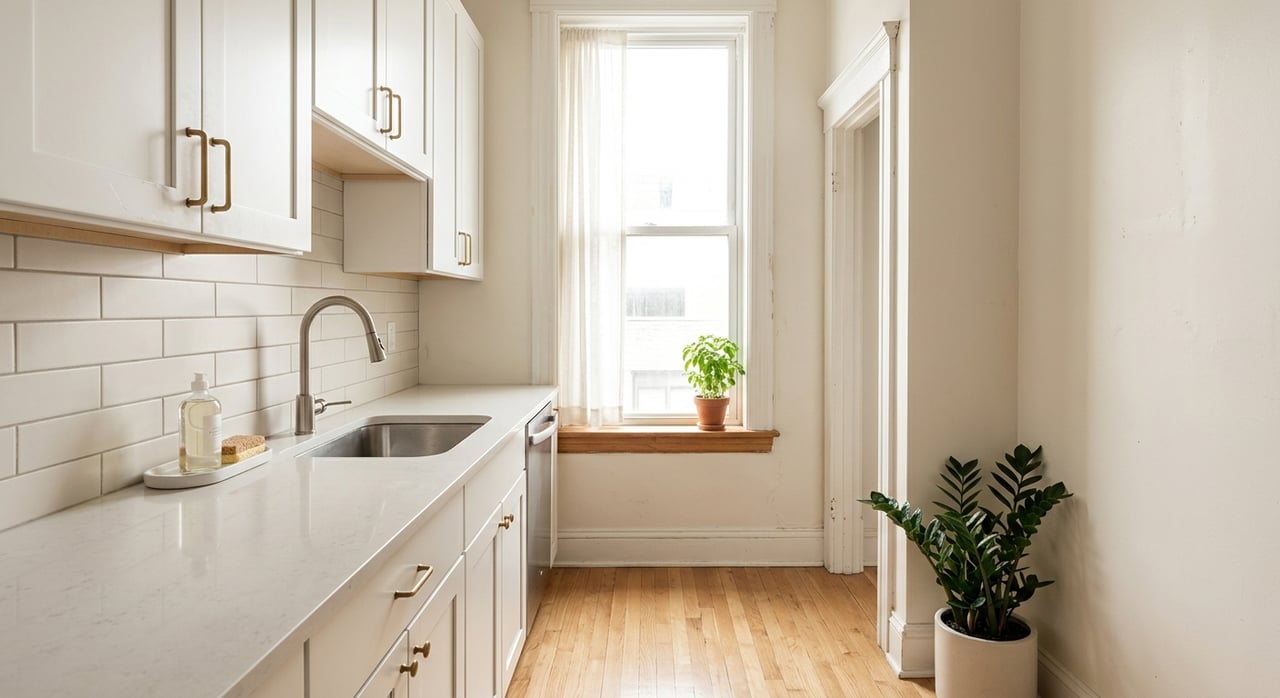
In most Ukrainian Village flats, kitchens, baths, and storage create the clearest opportunity for improvement. These are the spaces where design choices are easiest to feel every day, and they often deliver a strong visual payoff without changing the home’s historic identity.
A smart update often comes from better planning rather than bigger demolition. Instead of moving walls or relocating utilities, you can create a fresh result through finishes, fixtures, and layout decisions that make the space work harder.
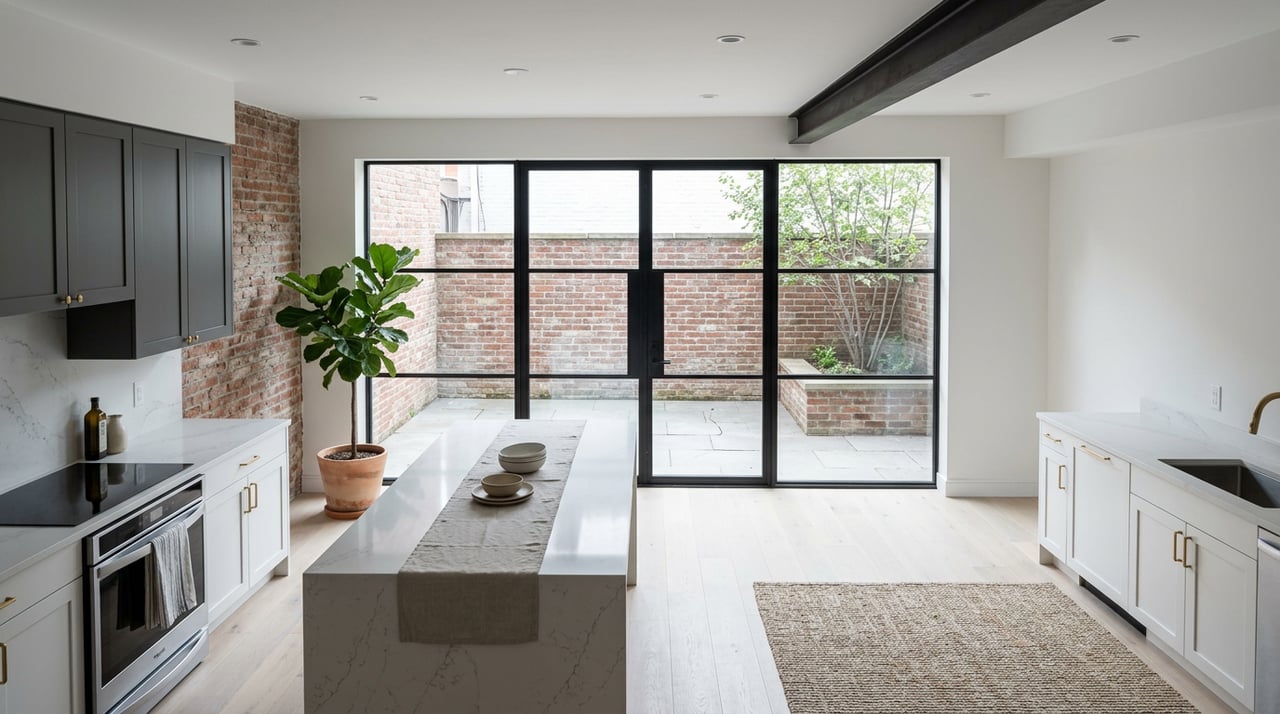
A kitchen can feel dramatically more current with changes to cabinet fronts or cabinetry, counters, hardware, lighting, and storage planning. These updates can improve function and style while keeping the overall footprint intact.
That approach fits well with Chicago’s preservation guidance, which favors repair over replacement and encourages owners to retain the building’s historic character where possible. In a neighborhood like Ukrainian Village, that usually means avoiding changes that erase original trim, doors, or built-in details near the kitchen.
Bathrooms are another place where a flat can quickly feel more polished. New vanities, mirrors, tile, lighting, and smarter storage can make a compact bath feel cleaner, brighter, and easier to use.
You do not need a flashy finish package to get there. In many vintage flats, a calm palette and well-scaled materials feel more appropriate than anything overly trendy, especially when the rest of the home still carries historic detail.
Storage is often where older flats feel most dated. Built-ins, closet systems, pantry planning, and an entry drop zone can make a big difference without taking away the original bones that buyers love.
The goal is simple: make the layout feel more livable while keeping the best historic features visible. If you can add order without disturbing original millwork, stairs, or key architectural details, you are usually moving in the right direction.
Some of the most valuable design decisions are about what you keep. In Ukrainian Village, original details often help a home stand out, and Chicago’s standards are clear that many of these elements should be maintained and repaired whenever possible.
Chicago’s rehabilitation standards specifically say original millwork should be maintained and repaired whenever possible. That includes trim, casings, and other wood details that give older flats their depth and texture.
If your flat still has these features, treat them as assets. A fresh paint plan around preserved millwork often creates a stronger result than removing older details in search of a cleaner look.
The city also says windows should be retained and repaired before replacement. If replacement is unavoidable, new windows should match the historic ones in design, operation, material, glass size, muntin arrangement, profiles, and trim.
For many owners, that is a useful reminder that replacement is not always the best first step. Weather-stripping can provide meaningful efficiency gains at a lower cost than full window replacement, which may help you improve comfort without losing historic character.
Historic wood stairs should be repaired in kind rather than replaced with concrete or other materials, and historic rail systems should be retained where they survive. In a classic two-flat or three-flat, these details often shape the first impression of the home.
If your stair or railing work is overdue, this is one area where thoughtful restoration can preserve both function and visual appeal. Buyers often notice these architectural details right away.
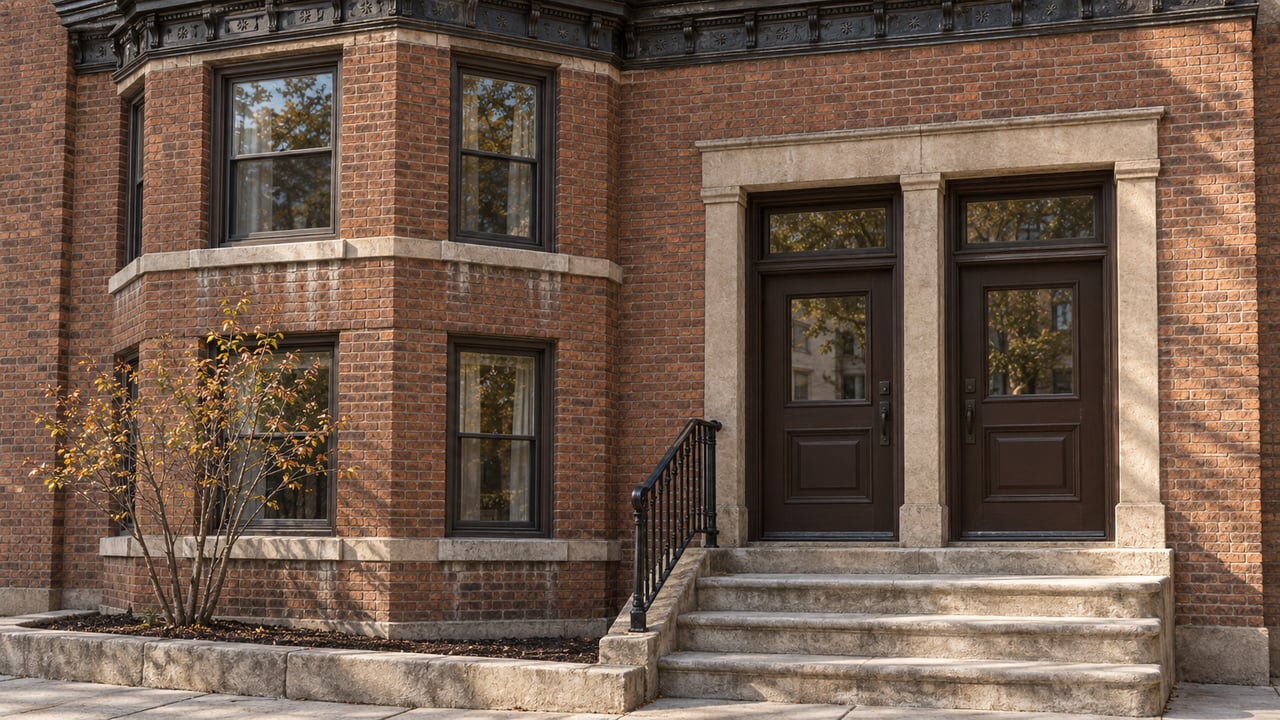
Original porches should be preserved through maintenance and repair, and front porches should not be enclosed. In landmark districts, the most design-sensitive changes are typically the exterior elevations visible from the public right-of-way.
In practical terms, that means windows, doors, porches, masonry, roof details, and other street-facing elements deserve extra care. Even if most of your project is interior-focused, these are the areas most likely to shape review and approval.
Good design is not only about what you add. In Ukrainian Village, it is also about understanding which changes can create problems for the building, the approval process, or future resale appeal.
Chicago’s standards caution that masonry buildings should not be painted because paint can trap moisture and create an ongoing maintenance issue. For many vintage flats, that makes exterior masonry a place for restraint, not reinvention.
Inside the home, paint can still be a powerful design tool. On the exterior, though, preserving masonry in a more conservative way is usually the safer path.
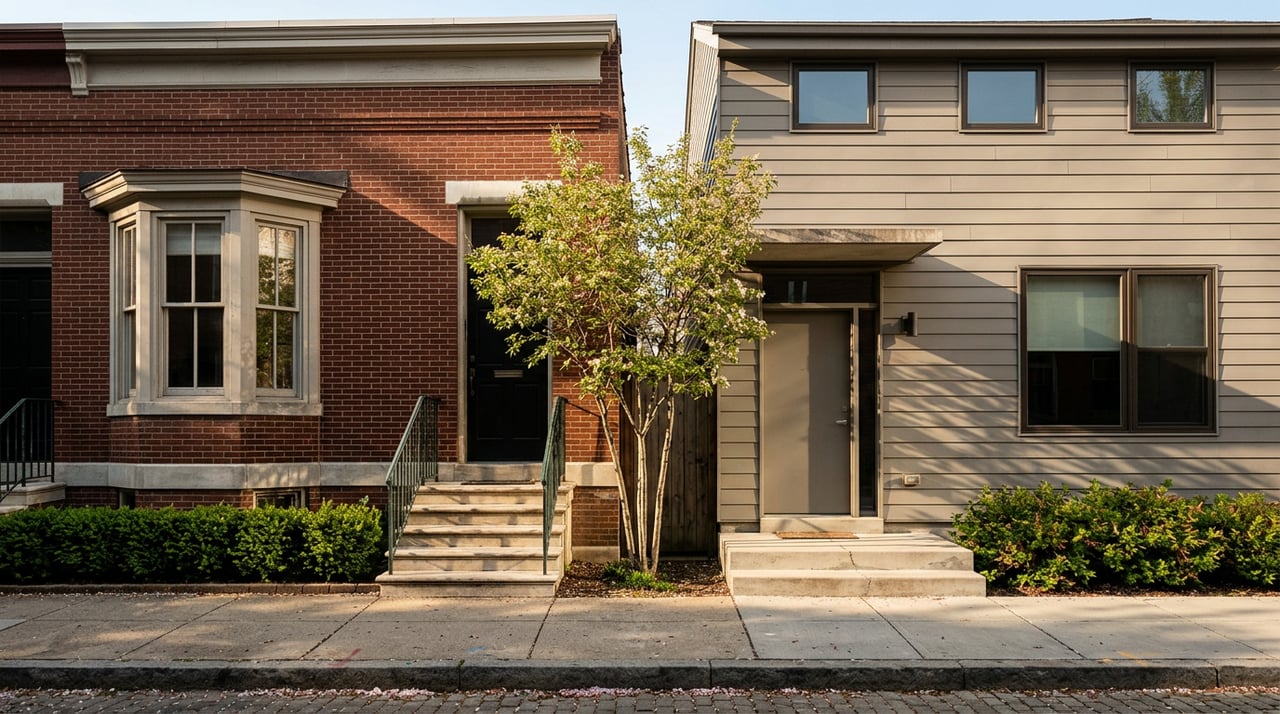
Chicago’s standards say new work should be complementary in size, shape, form, and materials rather than visually competing with the original building. That matters if you are thinking about exterior changes that feel sharp, oversized, or disconnected from the building’s age.
A design-forward result in Ukrainian Village usually comes from contrast used carefully, not from making the old structure disappear. The best updates tend to feel intentional and quiet.
Chicago’s standards state that front-yard excavations are not permitted in historic districts. If you are brainstorming major exterior changes, this is one of those rules that is better to know early than late.
Early planning can save time, redesign costs, and permit frustration. It can also help you focus your budget where it is more likely to improve everyday use and market appeal.
One of the biggest renovation mistakes is treating permits and review as an afterthought. In Ukrainian Village, especially within the landmark district, planning early is part of good design.
Routine maintenance, including painting and minor repairs, does not require a building permit. But renovation or alteration permits may require plans prepared by an architect or engineer, depending on the work.
If your property is inside the landmark district, permit applications that affect significant features are reviewed as part of the normal permit process. Work involving siding, masonry, roofing, windows, doors, interior renovations, fences, walls, mechanical equipment, driveways, and curb cuts may require detailed drawings, photographs, and other documentation.
Incomplete applications cannot move forward. That is why it helps to define scope, confirm who is preparing plans, and organize documentation before contractors are ready to start.
Chicago maintains license lookups for trade contractors such as electrical, plumbing, general, and mason contractors. For you, that means contractor selection is not just about price or availability.
On a vintage flat, the right team can help protect original materials while keeping the project moving. That matters even more when work touches systems, masonry, windows, or exterior features.
Many older flats in Chicago were built before 1978, and homes from that era are likely to have some lead-based paint. Renovation, repair, sanding, cutting, and window replacement can create hazardous lead dust.
If your project may disturb painted surfaces in an older flat, use certified lead-safe professionals. This is especially important in homes where window work, trim repair, or surface prep is part of the scope.
If your property is part of a condo association, cosmetic updates are one thing. But if a project changes unit boundaries or relocates affected common elements, Illinois law requires a written application to the board of managers and approval steps before the change is effective.
This becomes especially important if a flat is being combined, subdivided, or reconfigured beyond simple cosmetic work. If that is your plan, it is wise to confirm the approval path before you commit to design and construction costs.
In Ukrainian Village, buyers are often drawn to homes that feel both edited and authentic. They want a flat that lives well now, but they also want to see the details that connect the property to the neighborhood’s history.
That is why the strongest updates usually follow a simple formula:
If you are renovating with resale in mind, this balanced approach often creates the broadest appeal. It respects the building, supports daily living, and aligns with what makes Ukrainian Village flats distinctive in the first place.
If you are weighing updates before listing, buying a flat with renovation potential, or planning improvements to a small multifamily property, Dwell Wisely Group can help you think through design, positioning, and next steps with a neighborhood-specific lens.
Whether working with buyers or sellers, Dwell Wisely Group provides outstanding professionalism into making their client’s real estate dreams a reality. Contact the Dwell Wisely Group today for a free consultation for buying, selling, renting, or investing in Chicago.
Get in touch with our team to learn more.

1875 N DAMEN AVE CHICAGO IL 60647