What if your next home could help pay your mortgage? In Ukrainian Village, classic two-flats and small walk-ups make that possible if you buy smart and rent the other units. You want clear numbers, practical steps, and local context so you can move with confidence. This guide gives you a simple framework to underwrite 2–4 unit properties, compare financing, and spot building issues before you buy. Let’s dive in.
Why Ukrainian Village works
Strong renter demand and character-rich housing stock make Ukrainian Village a standout for house hacking. Neighborhood median sale prices vary by data source and timing, with Redfin’s recent snapshot landing near $870,000, so block-level comps and current MLS data matter.
Rents support the strategy. Recent asking rents often fall around $1,700–$2,200 for studios and 1-bedrooms, $2,000–$2,600 for 2-bedrooms, and $2,600+ for larger units, per RentHop’s Ukrainian Village data. With updated units and parking or outdoor space, income can meaningfully offset your mortgage. Because prices are higher than many Chicago areas, careful deal math and the right loan choice are key.
What you will find: 2–4 unit types
Classic Chicago two-flats
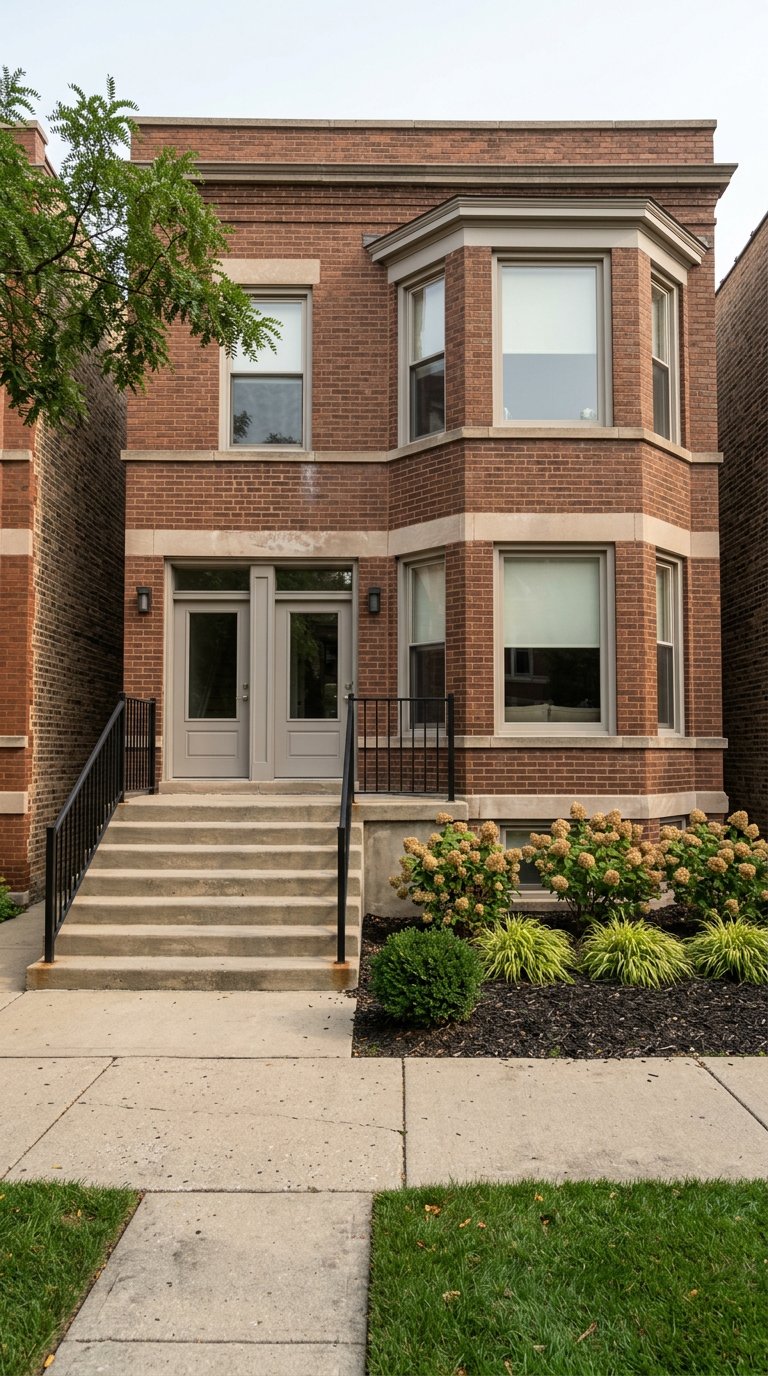
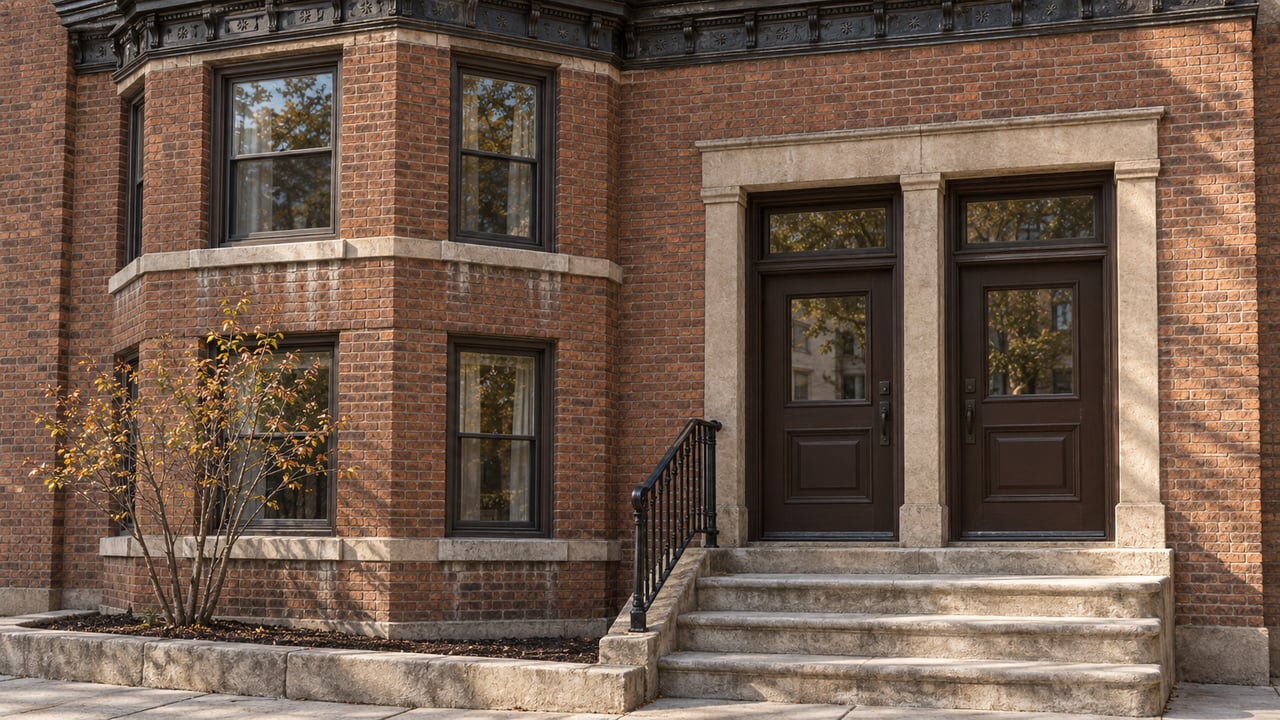
You will see brick and greystone two-flats, three-flats, and small walk-ups built roughly 1890–1930. The Chicago two-flat is the city’s workhorse building type, typically with one unit per floor and shared stairs, as outlined in the Chicago Architecture Center’s overview. Many buildings have tall ceilings, bay windows, and basements, with occasional legal garden units.
Layouts that rent well
Expect a mix of 2- and 3-bedroom flats, plus some stacked 1-bed or 2-bed units in three- and four-unit buildings. Lots are often 25 by 125 feet with alley access. Parking pads or detached garages are a premium and can improve rentability. Confirm separate utilities and meters when possible since that reduces owner-paid expenses.
Run the numbers with confidence
Gather real comps
Pull 3–6 comps per unit type on the same or adjacent blocks. Use the lower end of rent ranges for a conservative view, and remember seasonality can affect supply. Aggregated rent indexes are a starting point, but on-the-ground comps matter most.
Core metrics to use
- Gross Rent Multiplier (GRM) = Price / Annual Gross Rent. Lower is better, all else equal.
- Net Operating Income (NOI) = Gross Scheduled Rent minus vacancy and operating expenses.
- Cap Rate = NOI / Price. Compare to local small-multifamily sales.
- Debt Service Coverage Ratio (DSCR) = NOI / Annual Debt Service. Useful if you consider non-traditional loans.
Simple pro forma steps
- Add up gross scheduled rent for all units.
- Subtract a vacancy allowance of 5–10 percent.
- Subtract operating expenses you will pay: property taxes, insurance, any owner-paid utilities, maintenance, reserves, and management if used.
- The result is NOI. Compare NOI to price for a cap rate, then to your annual mortgage for cash flow before tax.
Financing paths for owner-occupants
FHA with 3.5 percent down
FHA insures loans on 1–4 unit properties when you occupy one unit. The key rule for triplexes and fourplexes is the self-sufficiency test. The appraiser’s market rents, minus a vacancy and maintenance factor, must cover the full monthly PITI. Duplexes do not have this test. Review details in the HUD Single-Family Housing Policy Handbook.
Conventional with 5 percent down
Fannie Mae introduced a lower down payment path for owner-occupied 2–4 unit homes, as low as 5 percent, subject to lender overlays and reserve requirements. This can help you avoid the FHA self-sufficiency hurdle on 3–4 units. See a summary of the update in this Fannie Mae 5 percent down overview, then confirm details with your lender.
VA up to four units
Eligible veterans and active-duty buyers can use VA financing to purchase up to four units with zero down in many cases, while occupying one unit. Lenders may count projected rental income with documentation. Learn more in this VA multi-unit purchase guide.
DSCR and portfolio options
If you cannot qualify traditionally or plan a non-owner-occupied purchase, DSCR and portfolio loans underwrite to rental coverage rather than W-2 income. These are more common for investors but can be a fallback. See this DSCR loan explainer for how they work.
Practical lender notes
- Expect reserves. Many programs ask for 3–6 months of PITI, sometimes more on multi-units.
- Lenders verify legal unit count. Unpermitted garden units are a red flag.
- Many lenders use 75 percent of projected rents in qualifying, or the FHA self-sufficiency formula when applicable. Ask your lender exactly how rental income will be credited.
Inspection priorities in older brick buildings
Older brick and greystone buildings need close attention. Focus your inspection on:
- Masonry and mortar joints. Look for missing mortar, bulging, or loose brick, and budget for tuckpointing and parapet repairs.
- Roof and flashing. Flat roofs and parapets must be watertight to protect upper units and chimneys.
- Foundation and moisture. Check for seepage, sump pump status, and any history of sewer backups.
- Mechanical systems. Assess boiler and water heater age, electrical panel capacity, and whether utilities are separately metered.
- Lead-based paint and asbestos. For pre-1978 housing, the EPA’s RRP rule governs renovation practices. Review the EPA RRP program and plan for testing and compliance.
Legal and landlord basics in Chicago
- Chicago’s RLTO sets rules for leases, habitability, deposits, and notices. Even smaller owner-occupied buildings can be covered in part. Read a summary of the RLTO and include the required disclosures in your leases.
- Registration and inspections. The city requires rental registration and may conduct periodic inspections. Budget for compliance and any repairs.
- Zoning and legal units. Confirm the building’s zoning classification and that each unit is legal and permitted before you buy. Lenders and the city will expect it.
Step-by-step deal checklist
- Confirm legal unit count against permits and tax records.
- Pull 3–6 recent rent comps per unit type on nearby blocks.
- Order a full building inspection with masonry focus and a sewer scope.
- Get two written bids for tuckpointing, roof, and major mechanicals.
- Underwrite conservatively: 5–10 percent vacancy, 35–50 percent expense ratio, and 5–10 percent for capital reserves.
- Choose a financing path early and confirm how projected rents and reserves will be treated.
- Plan for RLTO compliance and any city registration or inspection steps.
Ready to explore Ukrainian Village?
If you are weighing a duplex, triplex, or fourplex, you do not have to figure it out alone. We can help you price deals with real comps, map the best financing path, and line up the right inspectors and contractors so you move forward with clarity. Reach out to the Dwell Wisely Group to schedule a Free Consultation.
FAQs
What is house hacking in Ukrainian Village?
- You live in one unit of a 2–4 unit building and rent the others. Local rent ranges around $1,700–$2,200 for studios and 1-bedrooms and $2,000–$2,600 for 2-bedrooms can help offset your mortgage when you buy at the right price and renovate wisely.
How does FHA financing work for a triplex or fourplex?
- You can use FHA with a low down payment while living in one unit, but 3–4 unit properties must pass a self-sufficiency test where appraiser-supported rents, after a vacancy factor, cover the full PITI.
Can I use 75 percent of projected rent to qualify?
- Many lenders credit about 75 percent of projected rents from other units for qualifying, or follow the FHA self-sufficiency formula for FHA loans. Ask your lender which rule applies to your loan type.
What inspections are most important for a century-old two-flat?
- Prioritize masonry and parapets, roof and flashing, foundation moisture, boiler and electrical capacity, sewer lateral, and potential lead-based paint or asbestos in pre-1978 homes.
What if there is a non-permitted garden unit?
- Treat it as a serious risk. Unpermitted units can block financing, reduce usable rent in underwriting, and may require costly work to legalize or deconvert.
What should I budget for expenses and reserves?
- A conservative underwrite often uses 5–10 percent vacancy, a 35–50 percent expense ratio depending on what you pay and who manages, plus 5–10 percent for capital reserves for items like roofs, tuckpointing, and boilers.
What are typical 2-bedroom rents in Ukrainian Village right now?
- Many 2-bed units ask about $2,000–$2,600 depending on finishes, parking, and outdoor space. Use fresh block-level comps when you price your units.