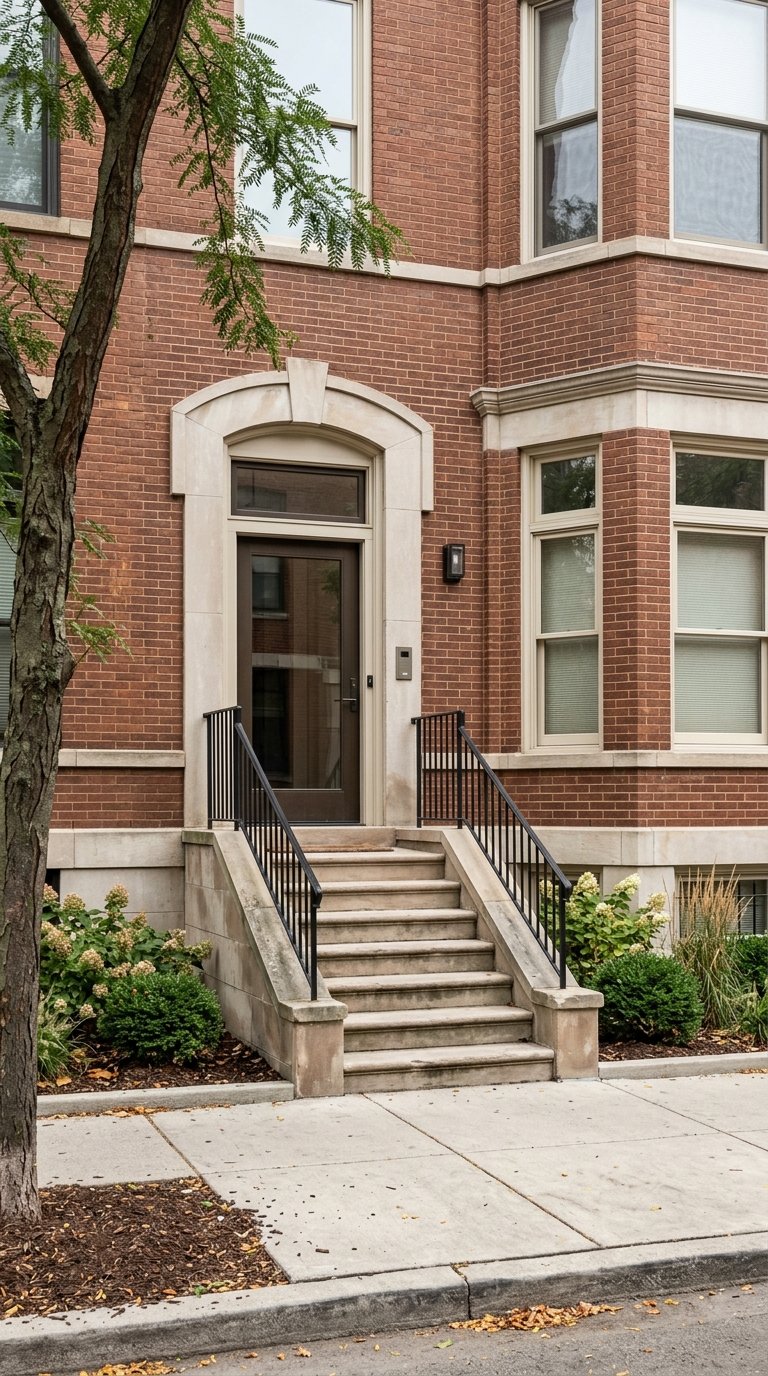
West Town Condo HOA Red Flags Every Buyer Should Review
Buying a condo in West Town can feel straightforward until you hit the HOA documents. A beautiful kitchen and great layout only tell part of the story, especially in a neighborhood with a large share of multifamily housing and many older buildings. If you know what to look for in the paperwork, you can spot helpful patterns, avoid costly surprises, and move forward with more confidence. Let’s dive in.
West Town has a housing mix that makes HOA review especially important. According to the West Town housing profile, condos make up 30.3% of units, while 2 to 4 unit buildings account for 32.2% and buildings with 5 or more units account for 28.5%.
That matters because two condos with similar prices can come with very different association realities. A small vintage conversion, a mid-size walk-up, and a newer larger building may all operate very differently when it comes to reserves, assessments, and maintenance planning.
The age of the housing stock matters too. The same West Town housing data shows that 42.2% of units were built before 1940, and the median year built was 1961. In practical terms, that often means the financial health and maintenance record of the association deserve as much attention as the finishes inside the unit.
In Illinois, condo buyers have access to a meaningful paper trail. Under the state’s resale disclosure requirements, sellers must provide key information about the association, including governing documents, unpaid assessments, planned capital expenditures for the next two fiscal years, reserve-fund status, financial condition from the last fiscal year, pending lawsuits or judgments, and insurance coverage.
This packet is often where the most important clues show up early. If you read it before your attorney review period ends, you have a much better shot at identifying concerns while you still have time to evaluate them.
Some HOA documents carry more weight than others. The goal is not just to collect paperwork. It is to understand how the building is run, how it plans for costs, and whether the board communicates clearly.
Start with the declaration, bylaws, rules, and any amendments. Illinois requires these materials to be part of the association record set, and they define owner obligations, board authority, and how decisions get made under the Illinois Condominium Property Act.
These documents help you understand the structure of the association. They also give context for issues like maintenance responsibility, alteration rules, and how assessments can be approved.
The financials tell you how the association actually operates. Illinois law requires a proposed annual budget to be delivered at least 25 days before adoption and an annual itemized accounting of the prior year under state condo law.
When you review the numbers, compare the current budget with last year’s actual expenses. Pay close attention to whether the budget clearly separates reserves, routine repairs, capital work, and taxes.
Reserve funding can be one of the biggest indicators of future stability. If an association has waived reserve requirements, Illinois law says that fact must be disclosed in the financial statements and highlighted in bold in the resale response under the reserve disclosure rules.
That does not automatically make the HOA a bad one. But in West Town, where many buildings are older and many associations are small, a reserve waiver or very low reserve contribution deserves a closer look because major work can become expensive quickly when costs are spread across fewer owners.
Meeting minutes often reveal what glossy listing photos never will. Boards must keep minutes of association and board meetings for the prior seven years under the association records requirements.
Look through at least the last 12 to 24 months if available. You want to see whether the board is discussing maintenance proactively, gathering vendor bids, and planning projects, or whether most conversations happen only after problems become urgent.
The resale documents should also include current insurance information plus disclosure of pending lawsuits or judgments under Illinois resale disclosure law. These items matter because they can affect both risk and financing.
If answers feel vague, that is worth noting. Clarity and consistency matter when you are evaluating the overall health of the association.
A healthier HOA usually leaves a clear paper trail. The budget makes sense, the board can explain assessment changes, and the minutes show routine management rather than constant crisis response.
You also want to see regular governance. Illinois requires boards to meet at least four times each year, with notice and open-meeting rules that create a baseline for transparency under the board meeting requirements.
If the building recently completed major work, there should often be some record of it with the city. Chicago provides public access to building permit and inspection records, along with permit application status and permit data dating back to 2006.
A special assessment can sound alarming, but it is not automatically a deal breaker. Illinois law allows special assessments for emergencies or work mandated by law without owner approval in some cases under the state condo statute.
The better question is why the assessment happened. If the board can tie it to a clear project, emergency, or legal requirement, that is very different from repeated assessments that seem to happen without a broader funding plan.
Context matters even more in smaller buildings. In a two-flat or small association, one roof, masonry, plumbing, or stair project can create a meaningful bill for each owner.
Some issues deserve immediate follow-up. A bold reserve-waiver disclosure, no visible reserve contribution, repeated special assessments without a multi-year plan, thin or missing minutes, and vague litigation answers are all warning signs supported by the Illinois disclosure framework.
Another concern is when a seller or manager says major work was completed, but you cannot find a matching record in the city database. Chicago’s permit and inspection search tools are useful for cross-checking, though the city also notes that the data come with no warranty or guarantee of completeness.
That last point is important. City records can help confirm a story, but they should not be treated as proof that a building is perfectly compliant in every respect.
If you want a simple way to review a condo association before you move forward, start here:
West Town is not one-size-fits-all. Because the neighborhood has a mix of small condo associations, vintage buildings, and larger multifamily properties, HOA review is rarely just a box to check.
That is why buyers benefit from looking at the building as a whole, not just the unit. In this part of Chicago, understanding the association’s records, budget habits, and maintenance story can help you make a more informed decision and avoid surprises after closing.
If you are weighing condo options in West Town and want a grounded second opinion on the numbers, paperwork, and building story, Dwell Wisely Group can help you think through the details with a local, practical lens.
Whether working with buyers or sellers, Dwell Wisely Group provides outstanding professionalism into making their client’s real estate dreams a reality. Contact the Dwell Wisely Group today for a free consultation for buying, selling, renting, or investing in Chicago.
Get in touch with our team to learn more.

1875 N DAMEN AVE CHICAGO IL 60647