If you love Bucktown’s energy and the lifestyle around The 606, you are not alone. Many buyers ask whether being close to the Bloomingdale Trail will help resale and daily life, while sellers wonder how to present proximity as a value add. The short answer: The 606 often supports stronger demand, but the premium depends on distance, property type, and how well a home manages noise and privacy. In this guide, you will learn how proximity typically influences value, what tradeoffs to weigh, and how to comp a Bucktown property when The 606 is a core feature. Let’s dive in.
What The 606 means for Bucktown
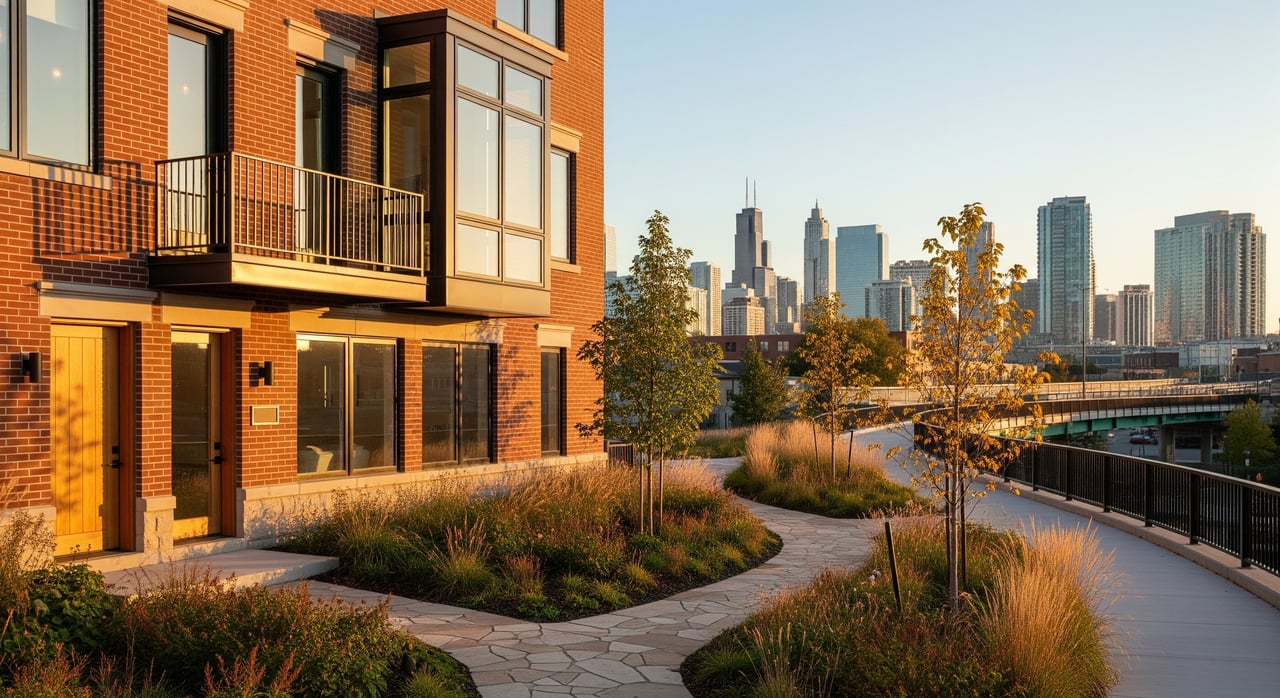
The 606 is an elevated greenway that cuts across several near‑northwest neighborhoods, including Bucktown. It adds recreation, walkability, and a bit of lifestyle cachet. Many buyers prioritize quick trail access for exercise, dog walks, and easy connections to coffee and retail.
For sellers, that attention can translate into more showings and a broader buyer pool. For buyers, it can shape price, competition, and day‑to‑day experience. The key is understanding where value peaks, where it levels off, and where tradeoffs show up.
How proximity shapes value
Research on urban trails shows a general positive effect on nearby home values, with the strongest influence in the closest distance bands. In Bucktown, The 606 is a known amenity, and closeness can help both price and marketability. The size of that lift varies by product type, lot characteristics, and how buyers perceive noise and privacy.
Distance bands explained
Use these practical bands when evaluating value or pulling comps:
- Adjacent or abutting (0–25 m): Directly on the trail edge or with gate access. Potential for the strongest amenity effect with the most exposure to crowds and sound.
- Immediate walkable (~0–200 m): A 1–3 minute walk. Often a sweet spot for access with less exposure.
- Near (~200–500 m): A 3–8 minute walk. Still a meaningful lifestyle benefit.
- Neighborhood (~500–1,000 m): An 8–15 minute walk. Value influence may taper.
- Control (>1,000 m): Generally outside the typical range for a trail effect.
Within each band, match closely on unit type, size, condition, and parking to isolate the impact of The 606.
Product type and orientation matter
- Condos and townhomes: Short access can feel like an extension of private space. These homes often capture a stronger amenity effect, assuming reasonable sound insulation and no unusual exposure.
- Single‑family homes: Yards, lot size, and privacy expectations can moderate the premium. A home that backs directly to the trail may appeal to lifestyle buyers but not to those who want quieter outdoor space.
- Orientation to the trail: Living areas and outdoor spaces that face the trail can experience more noise and visibility. Strong buffers and window quality can help preserve value.
The tradeoffs of living next to The 606
You will weigh access against exposure. The closer you are, the more these factors matter:
- Noise and activity: Expect higher activity during peak times. Evening and weekend usage can increase sound and foot traffic.
- Privacy: Elevated sightlines can create visibility into yards and windows. Buyers vary in how much this matters.
- Parking pressure: Visitor spillover can be a concern on certain blocks and times.
Mitigation helps. Sellers often invest in vegetative screening, privacy fencing where allowed, upgraded windows and insulation, and strategic outdoor lighting. Buyers can evaluate buffers, setback, and materials to forecast daily experience.
How to comp a Bucktown home near The 606
Getting comps right is crucial for pricing and negotiations. Skip national averages and rely on local, recent data.
Step‑by‑step approach
- Stratify by distance band. Pull 8–12 comps and cluster them into adjacent, immediate, near, neighborhood, and control bands.
- Match property features. Align on product type, beds/baths, finished square footage, lot size for single‑family, year/condition, parking, taxes/assessments, and HOA fees for condos.
- Note orientation and exposure. Record whether the home fronts, backs, or sides to the trail, plus buffers like fences and trees.
- Normalize for condition. Adjust for recent renovations and material updates that affect perceived quality.
- Compare price per square foot. Calculate medians within each band and look for consistent differences.
- Check market velocity. Review days on market and list‑to‑sale ratios by band to see which locations draw faster offers.
- Capture exposure impacts. Use disclosures and showing feedback to quantify reductions tied to noise, privacy, or parking.
Common adjustments to consider
- Positive adjustments: Amenity access for closer proximity, and stronger marketing pull that widens the buyer pool.
- Negative adjustments: Sound and evening activity, reduced backyard privacy, and potential parking stress near popular access points.
- Control for confounders: Transit access, taxes, HOA fees, view quality, deck orientation, and renovation level can move value independently of the trail.
Buyer tips: Touring near The 606
Bring a clear checklist and visit more than once.
- Tour at different times. Compare a weekday morning to a sunny weekend afternoon.
- Stand in the living room and yard. Listen for ambient trail noise; note screening and window quality.
- Walk the route. Time the walk to a trail entrance and to nearby retail to confirm daily convenience.
- Ask about usage patterns. Sellers and neighbors can describe peak times and event days.
- Review disclosures. Look for notes on sound, privacy features, or past repairs tied to trail adjacency.
What to look for during showings:
- Quality windows and insulation in trail‑facing rooms
- Landscaping and fencing that block sightlines
- Deck or rooftop orientation away from the trail if quiet outdoor time is a priority
- Garage or secure parking options on blocks with higher visitor use
Seller strategies: Maximize value near the trail
You can lean into access while solving for exposure. Small upgrades and clear messaging help your net.
- Lead with lifestyle. Showcase short trail access, morning run routes, dog‑friendly routines, and nearby coffee and dining.
- Solve privacy. Add evergreen screening where allowed, define outdoor zones, and highlight window upgrades.
- Stage for outdoor living. Show usable, comfortable spaces that feel private.
- Price with data. Use distance‑band comps and call out orientation, buffers, and upgrades that protect quiet enjoyment.
- Prepare an appraisal packet. Include matched‑pair comps by band, market velocity data, and a summary of mitigations.
Resale dynamics and negotiation
Homes marketed as “steps to The 606” often see more showings and faster offers in active markets. In slower markets, exposure concerns can weigh more heavily, so pricing and presentation matter.
- If you are selling: Emphasize lifestyle and access. Be transparent about exposure and highlight mitigations. Use market velocity by band to support price.
- If you are buying: Cite comparable sales where noise, privacy, or parking produced concessions to negotiate. Ask for credits tied to privacy or sound upgrades when justified by comps and feedback.
Safety and perception
Studies often find trails do not necessarily increase crime when design and management practices are in place. Still, perception matters in pricing. Consider reported activity, lighting, and passive surveillance along your block, and capture buyer feedback from showings to measure any impact on offers.
Is The 606 right for you?
If you value walkability and daily outdoor access, living adjacent or within a 1–3 minute walk can be a strong fit. If you prioritize quiet and privacy above all, you may prefer the immediate or near bands with solid buffers rather than direct adjacency. The best choice aligns daily life, budget, and long‑term resale goals.
If you want a pricing plan that accounts for The 606, we can help you gather the right comps, evaluate exposure, and present your home with design‑forward staging. Connect with the Dwell Wisely Group for a data‑informed strategy that fits your goals.
FAQs
How does The 606 affect Bucktown home values?
- Proximity often supports higher demand and stronger pricing, with the effect generally declining as distance increases and varying by property type and exposure.
What distance to The 606 is the sweet spot for buyers?
- Many buyers prefer an immediate 1–3 minute walk for access with fewer exposure concerns, though preferences vary by lifestyle and the home’s buffers.
Are homes directly on The 606 noisier or less private?
- Adjacent homes can experience more activity and visibility, which some buyers accept for access and others discount, depending on buffers and orientation.
How should I comp a Bucktown condo near The 606?
- Group comps by distance band, match closely on size and condition, compare price per square foot and days on market, and adjust for exposure and HOA fees.
What can sellers do to protect value near The 606?
- Invest in privacy landscaping, quality windows and insulation, thoughtful outdoor staging, and use distance‑band comps with documented mitigations in your pricing plan.