Inside Wicker Park Condo Living for First-Time Buyers
Thinking about buying your first condo in Wicker Park? The neighborhood’s creative energy, walkability, and food scene can be a big draw, but the details matter when you are moving from renting to owning. You want clarity on building types, monthly costs, commute options, and what day-to-day life really looks like. This guide breaks it all down so you can decide with confidence and shop wisely. Let’s dive in.
Wicker Park blends historic charm with a lively urban core. You will find independent boutiques, music and arts venues, and a strong lineup of restaurants and bars along Milwaukee, Division, and North. Much of the area is highly walkable, so daily errands often happen on foot.
Street life is active, especially on evenings and weekends near the main corridors. Condos right on those blocks can experience more late-night noise. One or two blocks off the action, most residential streets feel quieter.
Development has been steady. Expect a mix of warehouse-to-loft conversions and newer mid-rise buildings. Some pockets see ongoing construction, which can influence noise and daytime traffic on certain blocks.
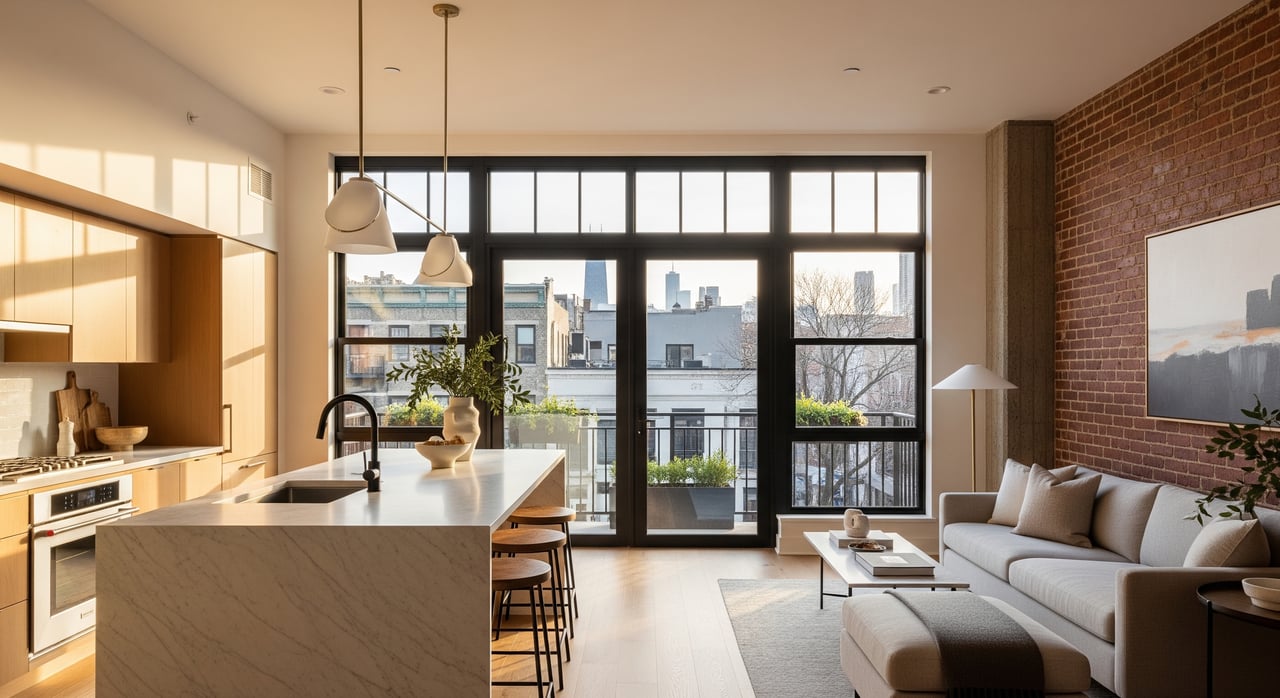
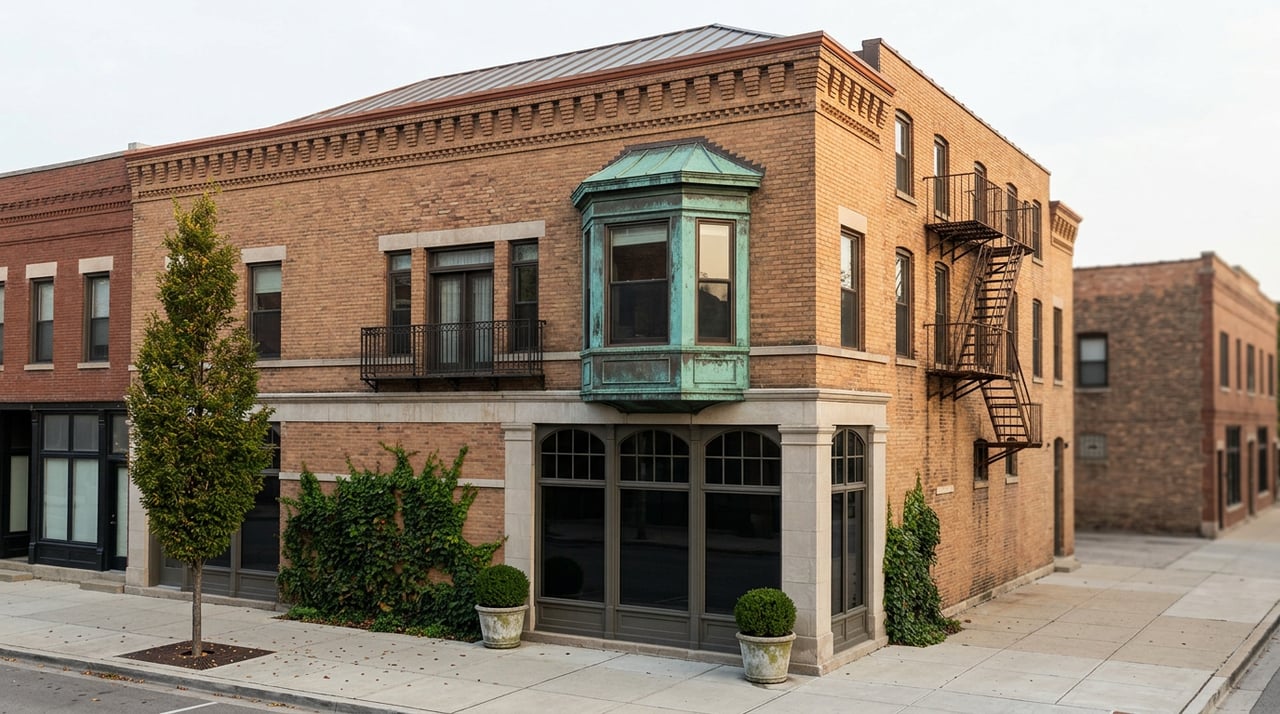
Converted lofts often feature exposed brick, tall ceilings, and open layouts in older masonry buildings. You get character, flexible space, and a distinctive look. Amenities vary. Some buildings have limited common areas and minimal extras, so check storage, bike rooms, and mail/package setups.
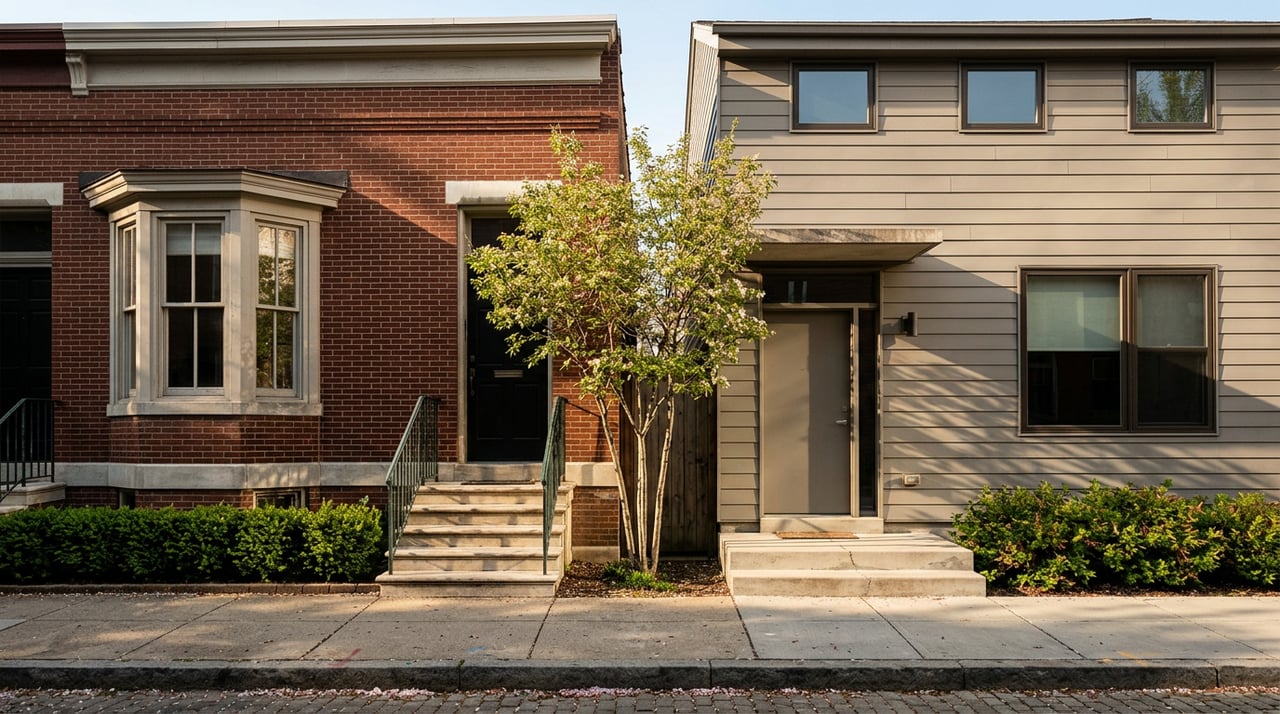
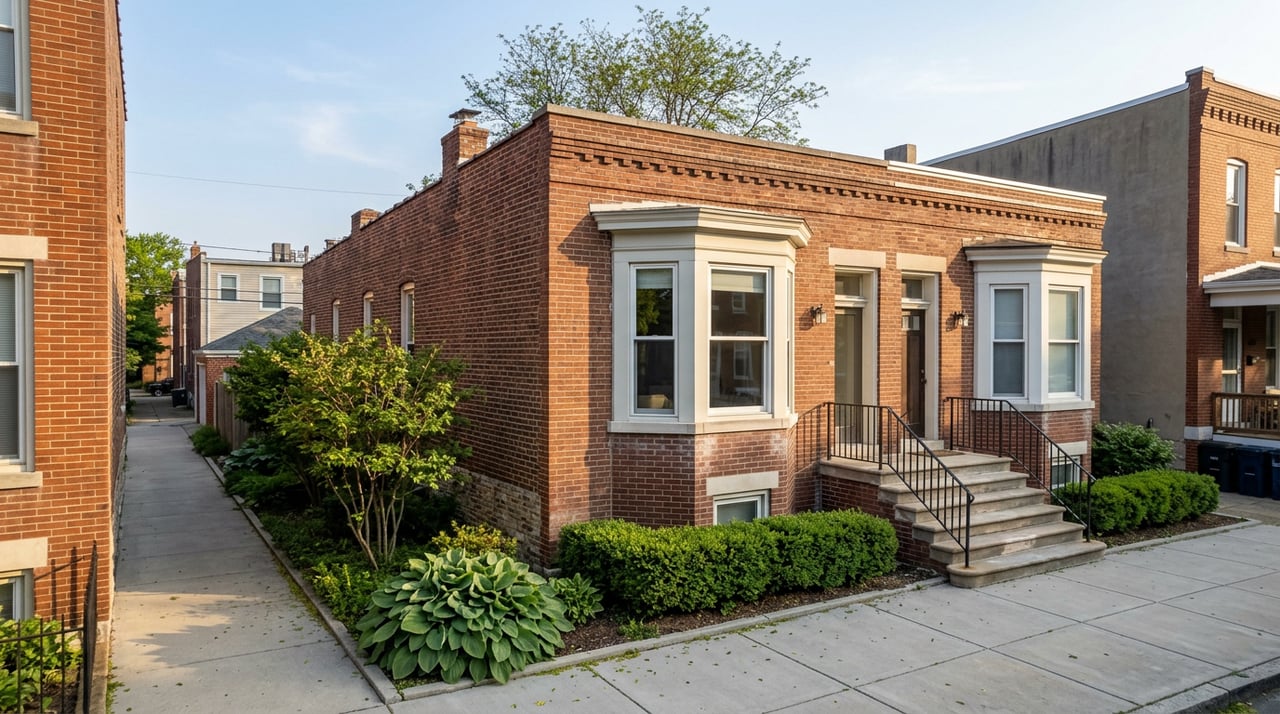
Vintage walk-ups and greystones offer smaller footprints, classic details, and fewer amenities. These buildings can be a more affordable entry point per unit. Many are self-managed or have small HOAs, so you should closely review reserves, maintenance history, and any recent special assessments.
Mid-rise condo buildings from the 1990s to 2020s tend to deliver modern layouts and finishes with conveniences like elevators and fitness rooms. Some include rooftops or a front desk. HOA fees can be higher in amenity buildings, but they may cover more services. Confirm what is included versus billed separately.
Boutique new-construction buildings lean modern with glass, curated design, and on-site parking options. Amenities and finishes are polished, and prices usually reflect that. If you value turnkey living, these can be compelling, but make sure the monthly HOA and any parking fees fit your budget.
Studios and one-bedrooms are common and popular with first-time buyers. Two-bedrooms and townhome-style condos exist but usually come at higher price points. Storage lockers are more common in mid-rise and newer buildings than in older walk-ups and loft conversions. Verify what comes with the unit.
Many older buildings do not include deeded parking. Some newer or luxury buildings offer garage spots for sale or rent. If you drive regularly, factor the cost of onsite parking, nearby garage rental, or the practicality of permitted street parking into your monthly plan.
Wicker Park supports an easy, car-light lifestyle. You will find a high density of everyday services like salons, dry cleaners, fitness studios, and small medical practices alongside independent retailers for clothes, home goods, and gifts.
The nightlife scene is concentrated along Milwaukee, Division, and parts of Damen. You will see late-night dining, bars, and live music. Artist studios, galleries, pop-ups, and neighborhood festivals add cultural texture throughout the year.
Wicker Park offers small but active urban green space and community programming. Just north of the neighborhood, the 606, also called the Bloomingdale Trail, provides a popular route for walking, running, and biking across several West Side neighborhoods. Larger parks, including Humboldt Park, are a short ride away when you want more space.
The area is bike-friendly with local lanes, strong cycling culture, and plentiful bike-share stations. On weekends and during commuting hours, expect a steady flow of cyclists on neighborhood streets and along the 606.
Wicker Park has strong CTA access with elevated lines and multiple bus routes that connect to the Loop and other neighborhoods. Travel times to downtown are typically short to moderate depending on your exact location and any transfers.
If you rely on transit, prioritize a home near a train station or a high-frequency bus corridor. If you drive, plan for peak-hour congestion and confirm whether you will have deeded parking, a reliable rental garage option, or on-street permit parking near your building.
Regional commuting is possible via Metra stations accessed by a short transit link or drive. Options vary by line and destination, so test your full route at the times you would actually travel.
Overall prices in Wicker Park tend to sit above the Chicago city median for condos. Prices vary widely by building type. Converted lofts and older small buildings can be more affordable per unit than new-construction luxury options. Market conditions shift, so review current data with a local agent when you are ready to shop.
First-time buyers commonly use conventional loans, FHA loans, VA loans, or local down payment assistance programs. Condo loans include extra lender review. Lenders often look at owner-occupancy levels, HOA financials, insurance, and any pending litigation. If you want FHA or VA financing, confirm that the association is currently approved.
HOA fees in urban buildings vary. Ask for a clear breakdown of what the fee covers. Many cover common-area maintenance, exterior insurance, trash, snow removal, and reserves. Some include heat and water, while others bill those separately. Review the history of special assessments and any planned capital projects that could affect costs.
Property taxes are assessed by Cook County and depend on the unit’s assessed value and exemptions. Ask for recent tax bills for the unit you are considering. For insurance, condo owners typically carry an HO-6 policy for interior finishes and personal property, while the building maintains a master policy through the HOA. Confirm coverage limits and deductibles.
Request HOA budgets, reserve studies, minutes from the last year, insurance declarations, bylaws and rules, assessment schedules, and any litigation disclosures. Look for healthy reserves and a clear plan for upcoming projects like roof, facade, or elevator work.
If you plan to use FHA or VA financing, verify whether the association is currently approved. Not all buildings qualify, and approvals can change.
Visit at different times of day and on weekends to gauge nightlife noise, foot traffic, and light at night. Test whether the exact block matches your comfort level.
Use official city resources to review recent incident data and note that conditions can vary by block. Combine data with your own observations to decide what feels comfortable.
Review comparable sales, days on market, and pricing trends for the specific building or block. Boutique and luxury buildings can have different resale dynamics than larger mid-rises.
If you value walkability, independent shops, and an active food and music scene, Wicker Park likely fits you well. You will find a range of condo styles, from classic lofts to sleek new builds, so you can prioritize character or convenience. If you prefer calmer evenings, look at streets set back from Milwaukee, Division, or North for a quieter feel while staying close to the action.
Buying your first condo is a big step, and the details of each building matter. If you want clear advice on HOA health, financing fit, and the right block for your lifestyle, connect with the neighborhood experts at the Dwell Wisely Group. We will help you navigate options, compare true monthly costs, and shop with confidence.
Whether working with buyers or sellers, Dwell Wisely Group provides outstanding professionalism into making their client’s real estate dreams a reality. Contact the Dwell Wisely Group today for a free consultation for buying, selling, renting, or investing in Chicago.
Get in touch with our team to learn more.

1875 N DAMEN AVE CHICAGO IL 60647