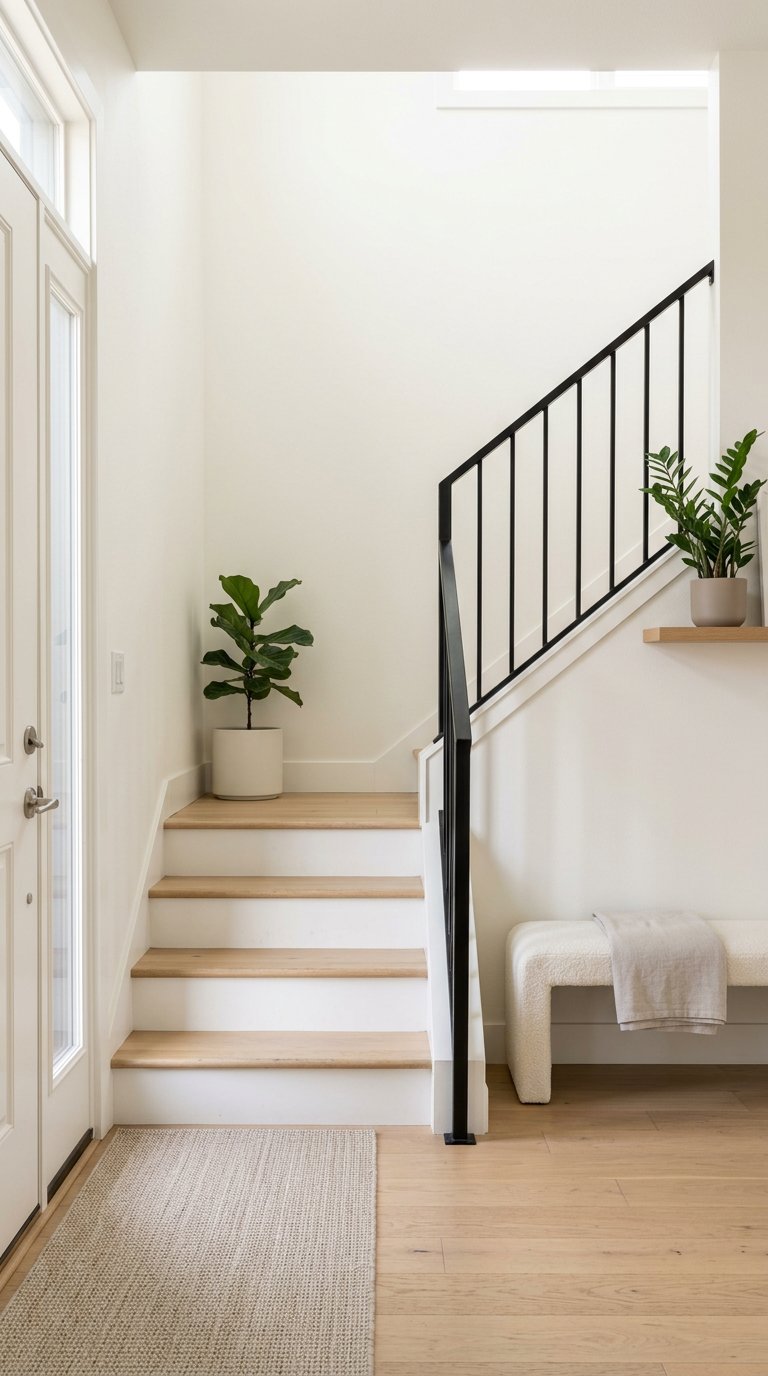
Noble Square Townhomes: A Practical Buyer’s Guide
Looking for more space, a private roof deck, and maybe a garage without leaving the heart of the city? Noble Square’s townhomes put you close to Chicago Avenue, West Town, and Wicker Park while giving you a home that feels more like a small single-family than a condo. If you are comparing options, you likely have questions about prices, ownership types, parking, permits, inspections, and financing. This guide breaks down what matters in Noble Square so you can shop with clarity and write a confident offer. Let’s dive in.
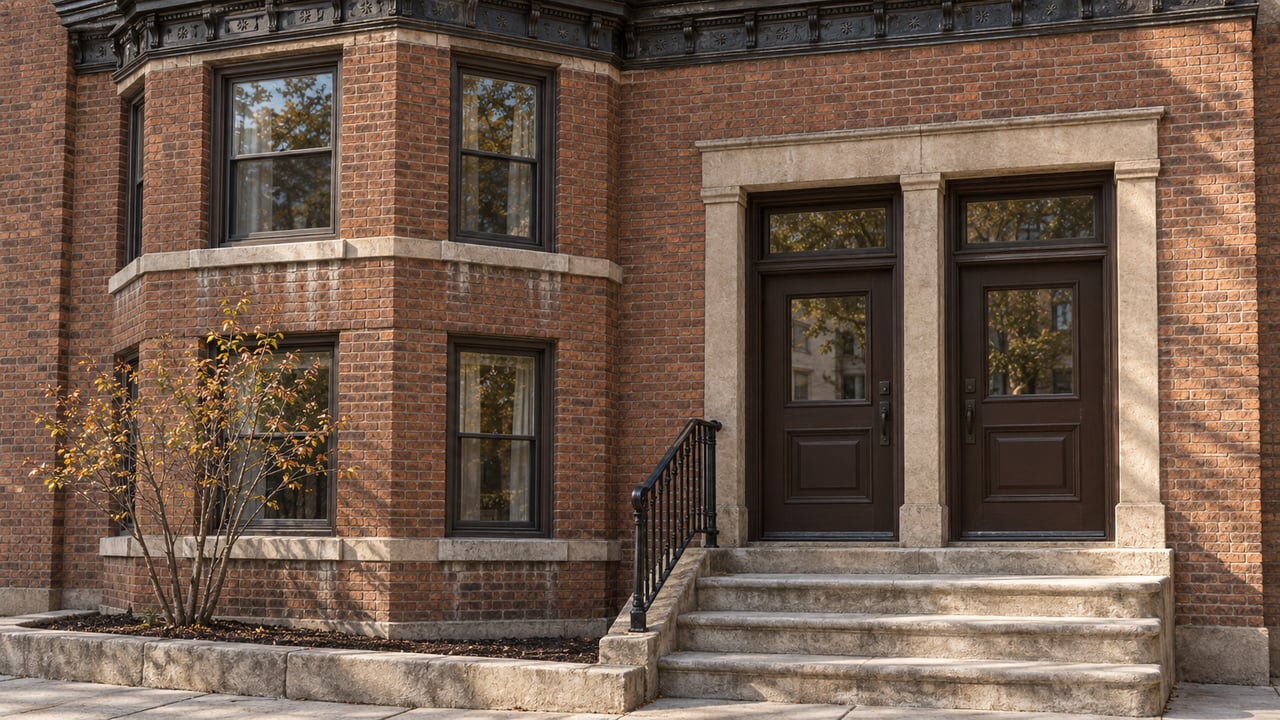
Noble Square sits just northwest of the Loop, commonly framed by the Kennedy Expressway, Ashland, Division, and Chicago or Grand. You get a compact neighborhood feel with quick access to downtown, transit, and everyday conveniences. Streets mix vintage brick rowhouses, mid-rise condos, and newer infill townhomes.
For many buyers, the appeal is simple: attached living with multiple levels, private outdoor space, and off-street parking, all near favorite West Town spots. You can often find layouts that live like a small house, which is a key difference from many condo flats nearby.
Recent neighborhood data shows a median sale price near 787,500 dollars as of February 2026, with typical market time around 65 days. A broader value index for the area reads lower, with a typical-value metric near 568,000 dollars through December 2025. These measures track different things, but together they help set expectations.
In real terms, townhouse-style homes that function like attached single-family residences often sit at or above neighborhood medians. They tend to include land, a garage, and private outdoor space. Townhouse-form condos, where the association handles more exterior items, can trade for less but include monthly HOA dues. Recent sales in the area range from the mid-300,000s for smaller condo units to 1.2 million dollars or more for larger townhomes and duplex configurations. Common sizes run about 1,500 to 2,400 square feet with two to four bedrooms.
The word “townhouse” describes the building style, not the legal ownership. A townhouse can be fee-simple, a condominium, or part of a PUD. The recorded documents tell you what you are buying, so do not rely on a listing description alone. A quick check of the deed or recorded declaration confirms the structure of ownership. You can learn the basics of how this works in this overview of townhouse ownership types from Legal Clarity.
In Illinois, any attached property declared a condominium is governed by the Illinois Condominium Property Act, which sets rules for associations, budgets, and owner responsibilities. You can review the full act through the state site here.
Most Noble Square townhomes are vertical layouts with an open main level and bedrooms above. Many include lower-level family rooms or finished basements for added flexibility. Newer townhomes often feature private roof decks, a small rear yard or patio, and contemporary kitchens with island seating.
Rooftop decks add lifestyle value, but they come with engineering and permitting considerations. The City of Chicago treats porches and decks as structural elements that require proper design and permits. If a listing features a roof deck, confirm that it was permitted and built to code. You can read porch and deck guidance in this city-focused resource on porches and decks. If you plan to add or modify a deck, you may need an engineer’s review and a new permit.
Parking varies block by block. Here is what to check:
Chicago rowhomes and townhomes often combine brick, masonry, and older structural elements with modern updates. A strong inspection approach helps you avoid surprises.
How you finance and insure your home depends on the legal structure.
Use this quick checklist to keep your review on track in Noble Square:
Confirm ownership type. Ask for recorded documents. Look for a deed showing fee-simple ownership, a Declaration of Condominium, or CC&Rs. In Illinois, condos follow the rules in the Condominium Property Act.
Verify permits for exterior work. Ask for permits or numbers for roof replacements, roof decks, structural repairs, and garage construction. If permits are missing, request corrective language or an escrow at closing. Review city-focused guidance on porches and decks.
Order a thorough inspection. Book a full home inspection and sewer scope. Add masonry, roof, or engineering specialists if the general inspector flags issues. This inspection overview from Branch Investigations highlights common add-ons.
If it is a condo, request the full package early. Budget, balance sheet, reserve study, recent minutes, master insurance declarations, resale certificate or estoppel letter, and governing documents are essential. Lenders rely on this information to confirm project eligibility under Fannie Mae’s standards.
Clarify parking. Confirm whether a garage is deeded, assigned, or common. If you need street parking, check current rules for your block’s Residential Permit Parking zone and guest passes with the First Ward’s parking page.
Your offer should reflect both the property and the paperwork. For condo-style townhomes, a strong association with healthy reserves and no pending special assessments supports value. If minutes or budgets hint at large capital projects, price and terms should reflect that risk.
For fee-simple rowhomes, recent exterior work like a new roof, tuckpointing, waterproofing, or a well-maintained garage can justify a firmer price. If inspections uncover needed repairs, negotiate seller credits or a price reduction. When unpermitted work surfaces, push for permit finalization or a closing escrow that protects your downside.
Choosing between a fee-simple rowhome and a townhouse-form condo is easier when you know what to look for. Confirm the ownership type, review permits and HOA documents, take inspections seriously, and align your financing and insurance with the property structure. If you want a partner who lives and breathes West Town and Noble Square, we are here to help you shop smart, compare options, and negotiate with clarity. Connect with the Dwell Wisely Group to get a local, data-informed plan for your next move.
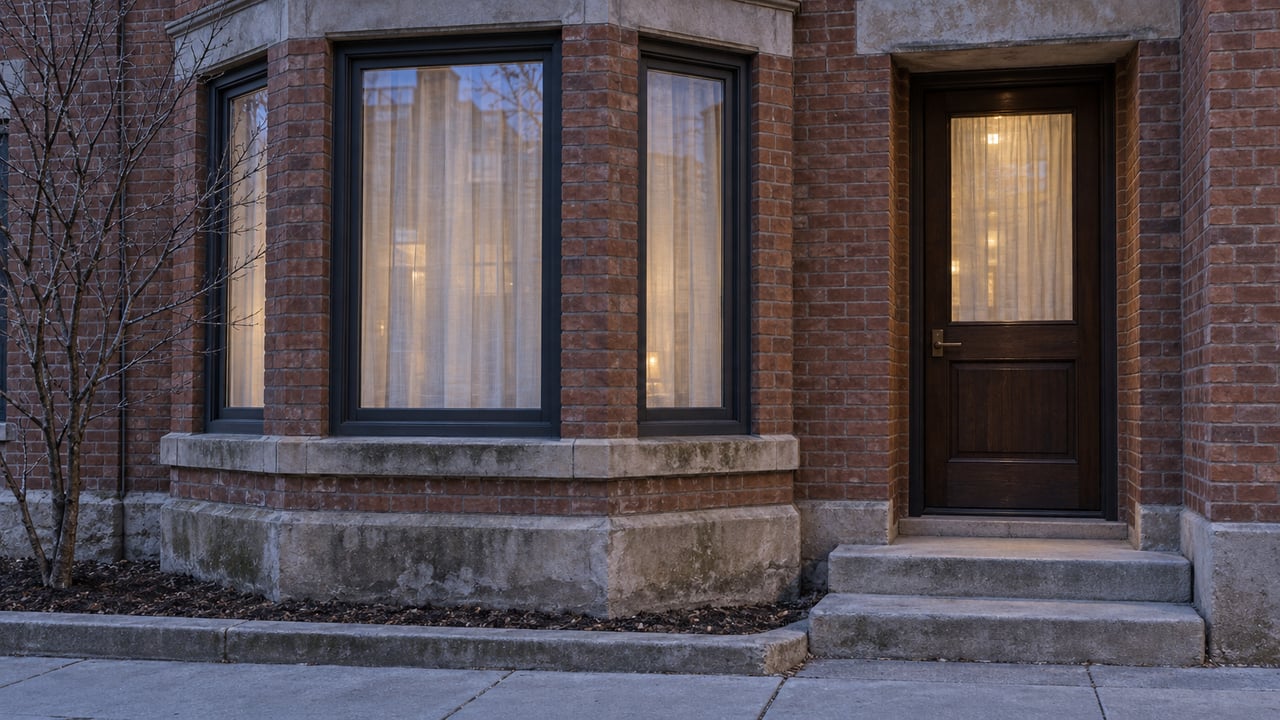
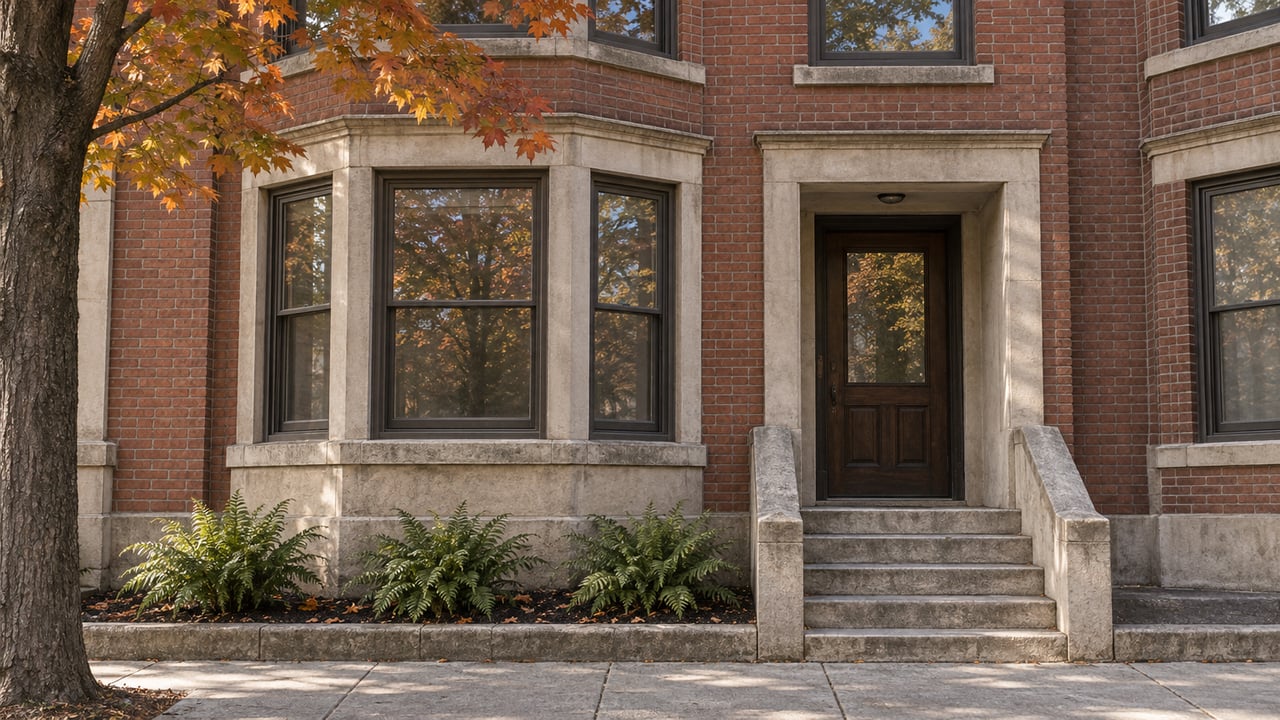
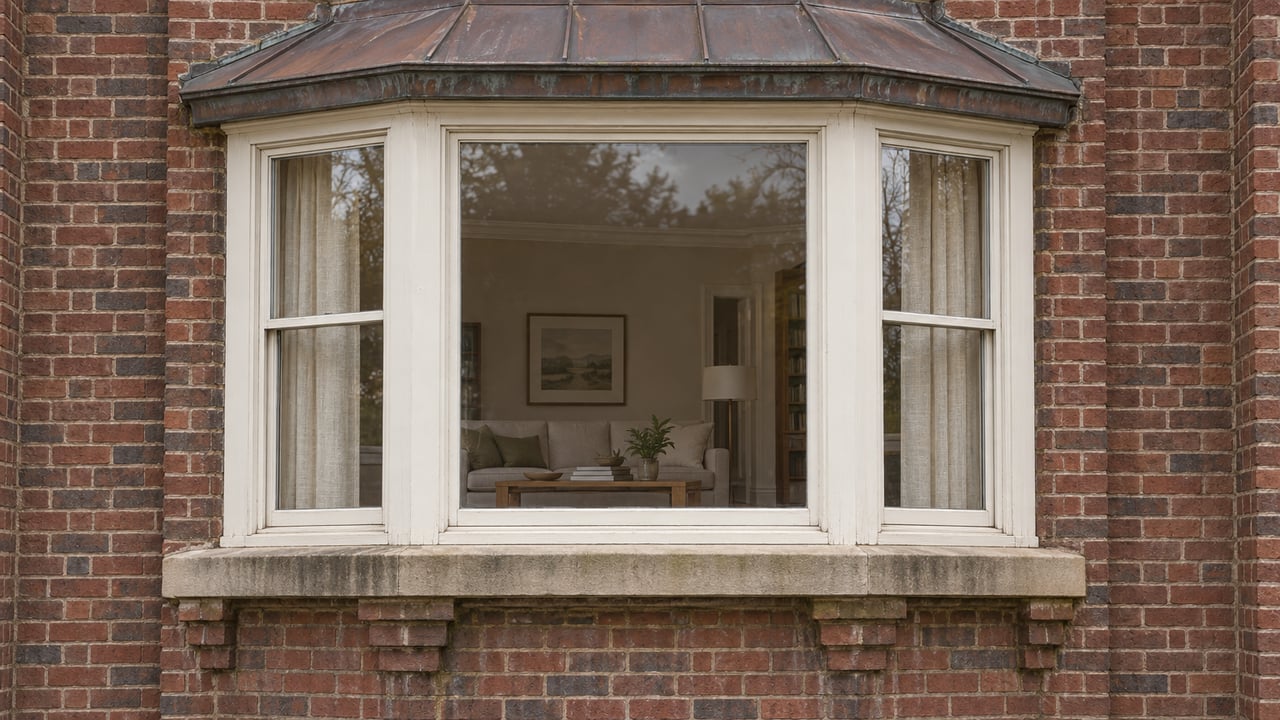
Whether working with buyers or sellers, Dwell Wisely Group provides outstanding professionalism into making their client’s real estate dreams a reality. Contact the Dwell Wisely Group today for a free consultation for buying, selling, renting, or investing in Chicago.
Get in touch with our team to learn more.

1875 N DAMEN AVE CHICAGO IL 60647