Wicker Park Timber Lofts: Buyer Essentials
Do you love the look of brick walls, giant windows, and exposed beams? Wicker Park’s timber lofts deliver that character in a walkable, transit-friendly setting. But older buildings come with unique systems, rules, and maintenance needs that you should understand before you buy. This guide shows you what to check, what to ask, and how to compare options so you feel confident from showings to closing. Let’s dive in.
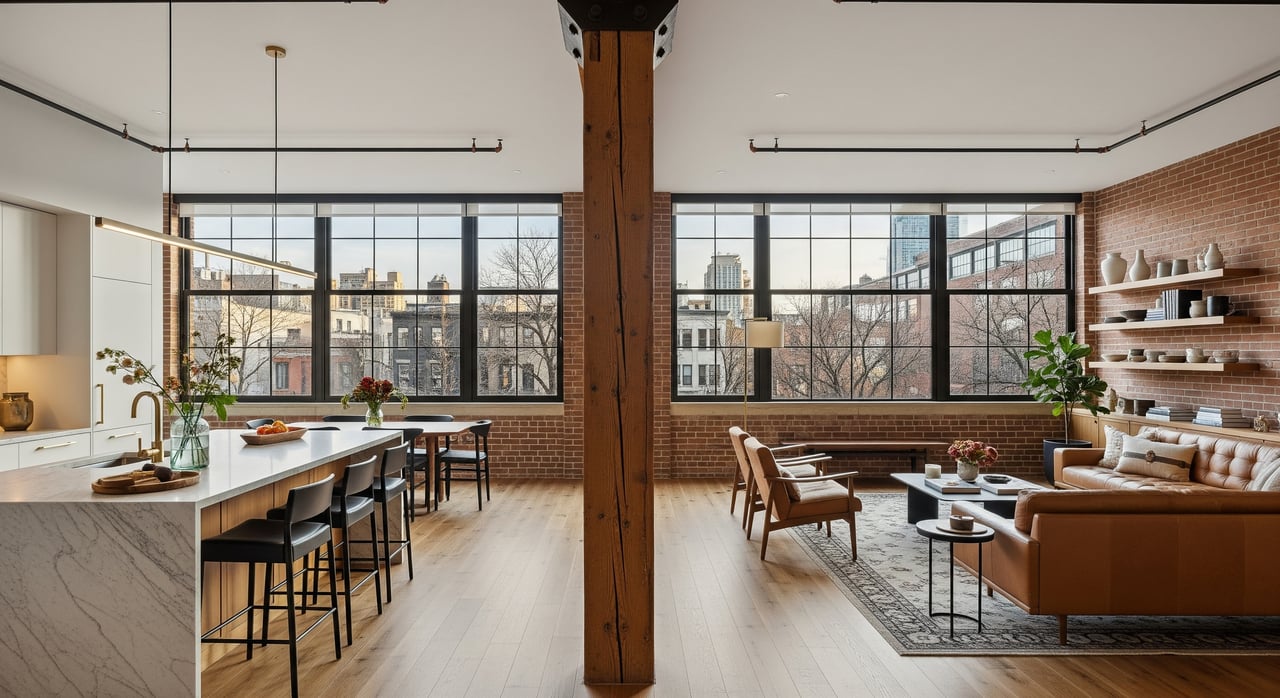
Timber lofts are homes converted from older industrial or commercial buildings with heavy-timber beams and posts, plank floors, and masonry exterior walls. In Wicker Park, many sit near the Milwaukee and Damen corridor in ZIP codes 60622 and 60647. You’ll often find high ceilings, open layouts, and oversized windows that flood interiors with natural light. The look is striking, but it comes with trade-offs you should weigh.
Open plans and tall ceilings can increase sound transmission and echo. Large single-pane or older windows may mean winter drafts and summer heat gain if they have not been upgraded. Storage can be tighter than in newer condos, and some buildings have rules that protect historic character. Knowing these realities helps you focus your search and budget.
Heavy-timber framing and plank floors are durable but can show sagging, cracks, or older repairs. Masonry walls may need tuckpointing, and roof flashing and parapets are common leak points. Ask for dates of roof work, masonry projects, and any structural reports. During showings, look for beam condition, floor flatness, and signs of water staining.
Many lofts started with industrial steel or wood single-pane windows, which are drafty in Chicago winters. Some buildings added storms or full insulated replacements. For cold climates like Chicago, look for replacement windows with a low U-factor, with targets around 0.30 or lower for better efficiency. Operate a few windows, check sills and weep holes, and look for condensation or failed seals.
Original masonry walls often lack modern insulation. Comfort upgrades commonly happen at the roof or as interior insulation systems. Ask for seasonal utility history and any insulation work. If deep interior build-outs conceal insulation, note how that affects the open loft feel.
Some buildings have central heat or hot water, while others have in-unit systems like forced air or mini-splits. Electrical service may vary by unit, and older risers or stacks can be a long-term maintenance consideration. Confirm which systems are in-unit versus building-managed, who pays for repairs, and the age and capacity of your electrical panel. Ask for dates of major system replacements, including boilers, risers, and roof units.
Conversions must meet code standards from the time they were converted, but fire-suppression systems vary. Look for sprinklers where present, hard-wired smoke and CO detectors, and clear egress plans. Clarify what upgrades, if any, the building has made since the original conversion.
Open layouts and tall ceilings can increase reverberation. Timber floors can transmit footfall noise between levels. For good privacy, airborne sound ratings near STC 50 or higher and impact ratings near IIC 50 or higher are desirable, but older conversions may be lower. Use these targets as a benchmark when you ask about past acoustic improvements.
Visit at different times to sample street, nightlife, and building mechanical noise. Milwaukee Avenue is a busy corridor, so compare street-facing units to courtyard-facing or rear elevations. Check window seals and door closures, and ask neighbors or management about typical disturbances and quiet hours.
Simple fixes include rugs, upholstered furniture, and bookcases to reduce echo. Construction upgrades could include resilient channels, acoustic insulation, underlayments, and improved windows or seals. Building-level solutions may involve quiet hours, elevator maintenance, or equipment isolation.
Confirm whether you are buying a condominium or a co-op. Review the Condominium Declaration, Bylaws, and Rules and Regulations for policies on alterations, pets, rental caps, and short-term rentals. Some associations restrict changing windows, exposed beams, or rooftops to protect the building’s character.
Request the HOA budget, financial statements, and any reserve study. Compare reserves against recommended levels and the age of major components like roof, masonry, elevator, boiler, or plumbing. Review board meeting minutes from the last 12 to 24 months for signs of deferred maintenance, litigation, or planned special assessments.
Obtain the master insurance certificate to learn whether coverage is all-in replacement or bare walls. Clarify the master policy deductible and what falls under your HO-6 policy, including interior finishes, personal property, liability, and loss assessment. Older buildings may carry higher replacement costs, so confirm that coverage aligns with current estimates.
Wicker Park is a walkable, lively neighborhood with retail, restaurants, and nightlife clustered around Milwaukee and Damen. That energy is part of the appeal and also a factor in acoustic comfort. Compare units that face courtyards or side streets to those on Milwaukee Avenue. If you are noise sensitive, tour at evening and weekend hours to get a realistic read.
Choosing the right Wicker Park timber loft starts with clear due diligence and the right guidance. Dwell Wisely Group pairs hyperlocal market expertise with a calm, step-by-step process that helps you evaluate building systems, HOA health, and day-to-day comfort. If you are ready to explore lofts near Milwaukee and Damen or want a second opinion on a specific unit, we are here to help. Connect with the Dwell Wisely Group to get started.
Whether working with buyers or sellers, Dwell Wisely Group provides outstanding professionalism into making their client’s real estate dreams a reality. Contact the Dwell Wisely Group today for a free consultation for buying, selling, renting, or investing in Chicago.
Get in touch with our team to learn more.

1875 N DAMEN AVE CHICAGO IL 60647